
At COP30 in Brazil, UN secretary-general António Guterres warned that failing to limit global warming to 1.5C is a ‘deadly moral failure’. That blunt assessment raises a related question: should the environmental destruction caused by armed conflict be treated with the same urgency?
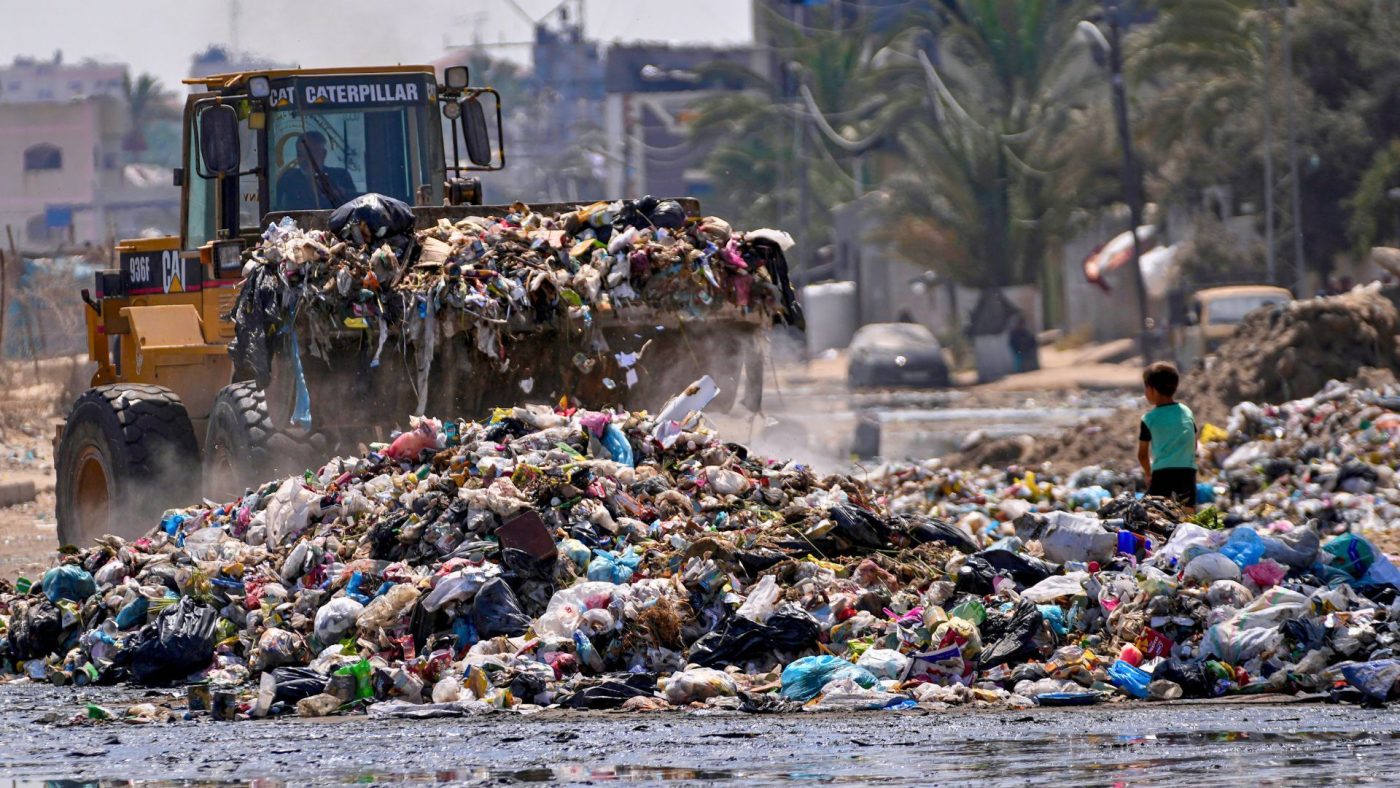
Recent conflicts show how war can devastate ecosystems. Israel’s two-year offensive in Gaza has produced roughly 61 million tonnes of rubble, and nearly a quarter of that waste is believed to be contaminated with asbestos and other hazardous materials. Scientists warn that deliberate or collateral damage to water systems, food supplies and energy infrastructure has left agricultural land and fragile ecosystems at risk of collapse, possibly beyond recovery.
In Syria, government officials and researchers have pointed to the country’s worst drought in more than six decades as both a consequence of changing climate patterns and a factor that could complicate any post-conflict rebuilding.
So why is armed conflict rarely framed as a climate issue? Reasons include an immediate focus on humanitarian relief, political sensitivities around attribution and responsibility, limited monitoring of environmental damage in war zones, and legal and institutional gaps that leave such harms uncounted and uncompensated.
As leaders gather at COP30, advocates argue for better measurement, stronger legal protections, and policy responses that acknowledge the long-term ecological costs of conflict. The conversation on this panel explores those challenges and possible paths forward.
Presenter: Adrian Finighan
Guests: Kate Mackintosh — deputy chair, Independent Expert Panel for the Legal Definition of Ecocide; Elaine Donderer — disaster risk specialist; Farai Maguwu — director, Centre for Natural Resource Governance (Zimbabwe)