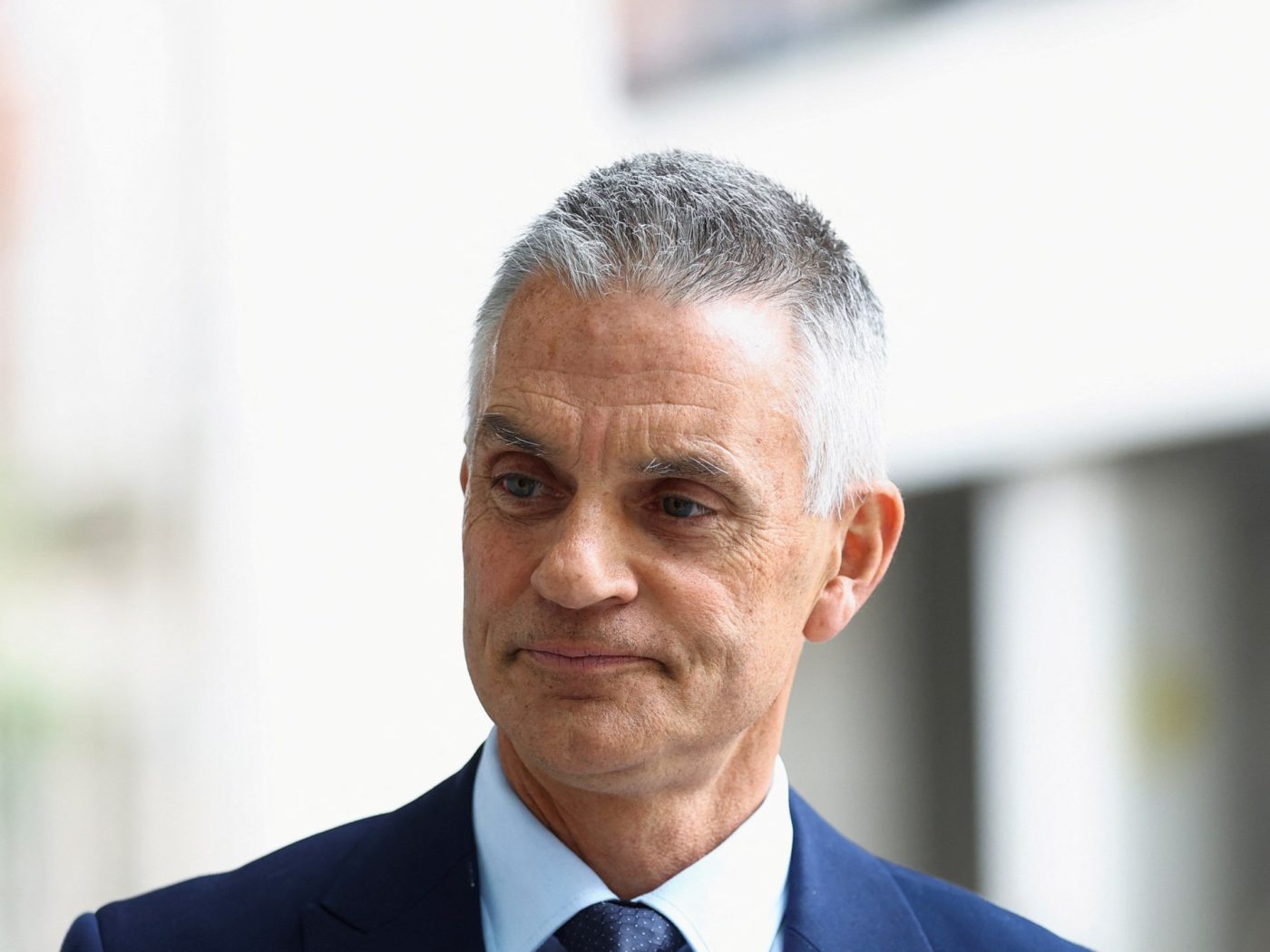

The BBC’s director‑general Tim Davie and news CEO Deborah Turness resigned after a leaked memo criticised a 2024 Panorama edit of a 2021 speech by Donald Trump that preceded the January 6 Capitol riot. The memo, written by former BBC adviser Michael Prescott, said the documentary had spliced two separate parts of Trump’s remarks to create the impression he had actively encouraged the riot. The BBC said both executives chose to step down after the memo became public.
What the Panorama clip showed
The Panorama episode “Trump: A Second Chance?”, broadcast a week before the 2024 US presidential election, included a clip in which Trump appears to say: “We’re going to walk down to the Capitol and I’ll be there with you. And we fight. We fight like hell.” Prescott pointed out that a full transcript shows the remarks were separated: earlier Trump said, “We’re going to walk down to the Capitol, and we’re going to cheer on our brave senators and congressmen and women, and we’re probably not going to be cheering so much for some of them.” Nearly an hour later he used the phrase “we fight like hell” in a different context: “We fight like hell. And if you don’t fight like hell, you’re not going to have a country anymore.” Prescott argued the edit created a misleading impression that the phrases were contiguous and that Trump was directly urging the crowd to riot.
Reactions and responsibility
Donald Trump and his press secretary accused the BBC of doctoring the speech; Trump called Davie and Turness “very dishonest people” on Truth Social. Tim Davie said he took “ultimate responsibility” and left after reflecting on the demands of the role. Deborah Turness said she was stepping down because the controversy was causing damage to the BBC and that, as CEO of BBC News and Current Affairs, “the buck stops with me.” Both executives denied their departures were part of a “coup.”
Background on Davie and Turness
Tim Davie became director‑general in September 2020, after seven years leading BBC Studios, overseeing the corporation’s editorial and operational work. Deborah Turness had been CEO of BBC News since 2022, previously serving as CEO of ITN and president of NBC News, and was responsible for a global news operation of thousands of staff.
Broader criticisms in the leaked memo
Prescott’s memo extended beyond the Trump clip, criticising BBC coverage on transgender issues, racism and, notably, its reporting on Israel’s war in Gaza. He accused BBC Arabic of anti‑Israel bias and the wider corporation of misrepresenting civilian casualties and Palestinian starvation, saying he wrote the memo in “despair at inaction by the BBC Executive.” The BBC has denied being institutionally biased.
Gaza coverage and rulings
Regulatory and internal reviews have already scrutinised BBC reporting on Gaza. Ofcom found a BBC documentary about Palestinian children in Gaza breached impartiality rules because it was narrated by the 13‑year‑old son of a Hamas deputy agriculture minister. The BBC removed the programme “Gaza: How To Survive A War Zone” from its online platform, and an internal investigation later found it breached editorial guidelines on accuracy. At the same time, more than 100 BBC staff anonymously accused the corporation of favouring Israel in its coverage, saying evidence‑based journalism was lacking when holding Israel to account.
Other recent controversies
The broadcaster has faced several reputational crises in recent years: the Jimmy Savile sexual abuse revelations exposed systemic failings and cover‑ups; presenter Gary Lineker was removed from Match of the Day in 2023 over political tweets and later left the BBC after a 2025 Instagram post provoked accusations of anti‑Semitism; and former anchor Huw Edwards faced allegations tied to indecent images. Critics say these incidents, together with disputed Gaza coverage, have eroded trust among parts of the public and staff.
Political and institutional consequences
The resignations come as the UK government prepares a review of the BBC’s Royal Charter before it expires in 2027. Culture Secretary Lisa Nandy said a review would help the BBC “adapt to this new era,” calling allegations of bias “incredibly serious.” BBC Chair Samir Shah apologised for what he described as an “error of judgement” over the Panorama edit but denied systemic bias and is due to set out a vision for the corporation to Parliament’s Culture, Media and Sport Committee. The prime minister’s spokesman said he did not believe the BBC is institutionally biased.
What this means for the BBC
The departures of Davie and Turness mark a significant moment for the broadcaster amid intense scrutiny over impartiality, editorial oversight and public trust. The episode has intensified debates about how the BBC reports on polarising international issues, how it enforces editorial standards, and how leadership will be held accountable ahead of the charter review and future strategic decisions.