
About 300,000 UNRWA pupils have been denied formal schooling since Israel’s war on Gaza began in October 2023. Four weeks into a US-brokered ceasefire, the UN Relief and Works Agency for Palestine Refugees (UNRWA) has begun reopening schools across the territory, even as Israeli bombardment and strict limits on aid continue to hamper recovery.
The fighting has wrecked Gaza’s daily life: homes, hospitals and schools have been damaged or destroyed. UNRWA says 97 percent of its school buildings suffered damage or were destroyed, and many structures that once held classes are now sheltering hundreds of displaced families.
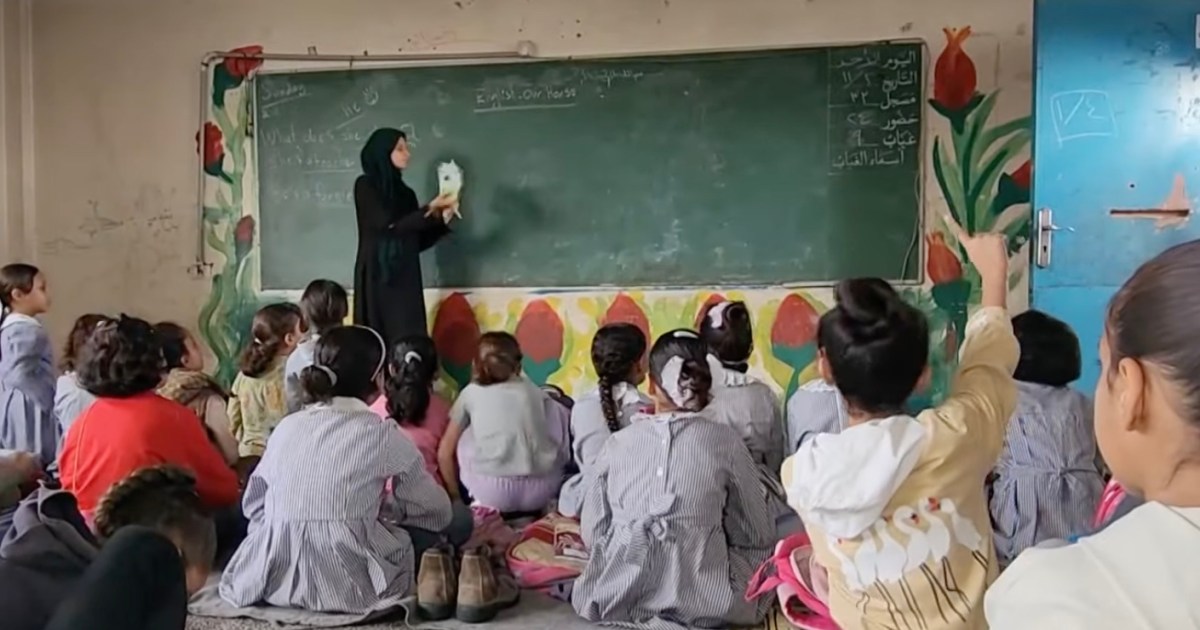
Reporting from Deir el-Balah, Al Jazeera’s Tareq Abu Azzoum found families sharing classroom space with children trying to rebuild their education. One pupil who has returned to lessons, Inam al-Maghari, said she missed two years of schooling, did not complete second and third grades, and now feels unprepared in fourth grade. Children and families have brought mattresses into rooms in place of desks so lessons can continue.
UNRWA’s head of communications, Enas Hamdan, said the agency aims to expand educational services in the coming weeks. UNRWA is offering face-to-face instruction in temporary safe learning spaces for more than 62,000 students and is working to extend activities across 67 sheltering schools throughout the Strip. The agency also continues to provide online learning for roughly 300,000 students in Gaza.
Displaced residents described the trade-offs involved in using school buildings as shelters. Um Mahmoud, who is staying in a classroom, said her family vacates the room three times a week so children can study. She stressed that, despite the hardship, families are prioritizing education in the hope conditions will improve and quality of learning can return.
The human cost of the war has been acute. Psychologists warn that more than 80 percent of children in Gaza now show symptoms of severe trauma. UNICEF estimates more than 64,000 children have been killed or injured during the fighting. Edouard Beigbeder, UNICEF’s Middle East and North Africa regional director, said around one million children have endured the daily horrors of living in what he called the world’s most dangerous place to be a child, leaving many with deep fear, loss and grief.
As schools reopen amid ongoing insecurity and scarce resources, educators, aid workers and families face the enormous challenge of repairing damaged facilities, restoring regular classes, and addressing the psychological and educational needs of a generation disrupted by two years of conflict.