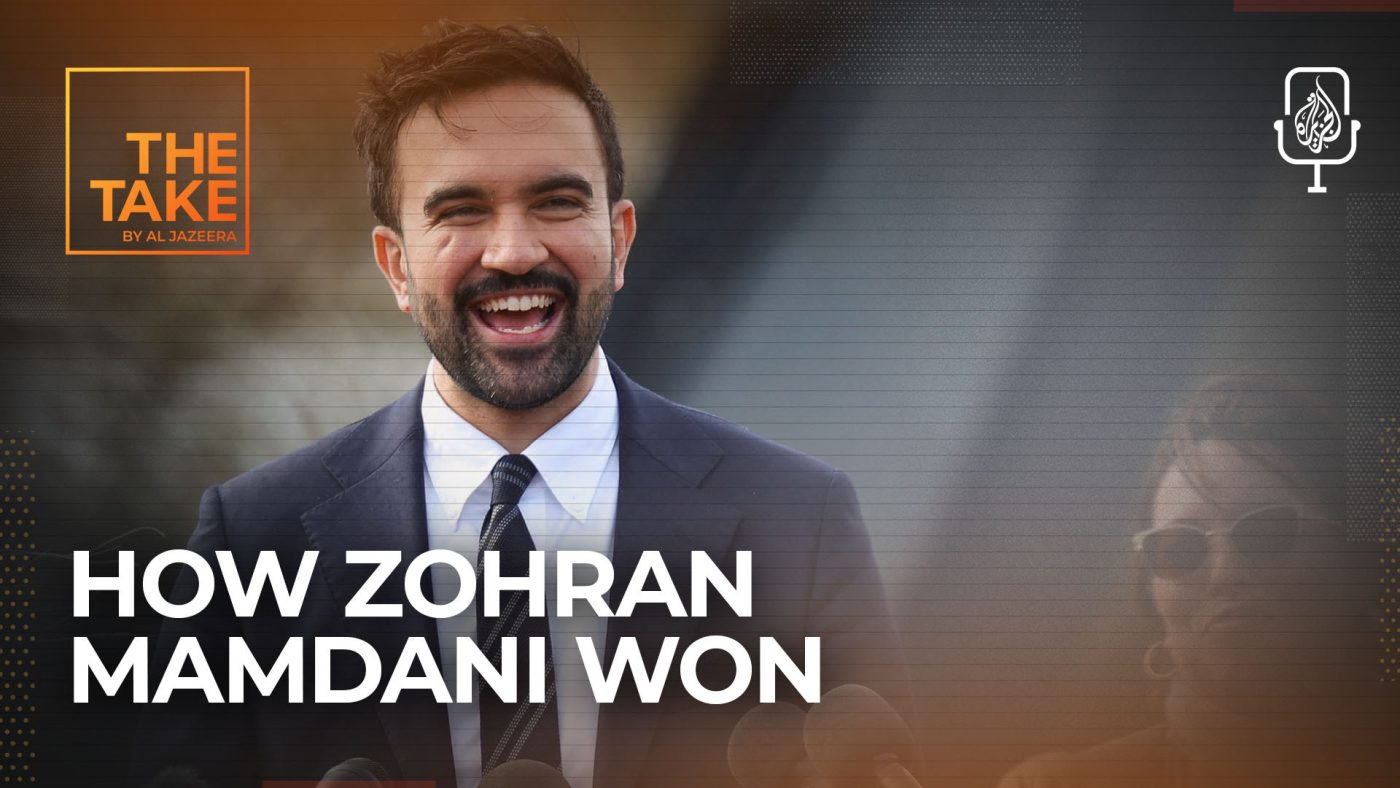

Zohran Mamdani’s victory in New York’s mayoral race — achieved despite a campaign marked by Islamophobic attacks — has drawn wide attention. As the city’s first Muslim mayor-elect, Mamdani has promised to represent all New Yorkers while actively opposing policies advanced by President Donald Trump. His rise has prompted comparisons to Sadiq Khan in London, who became a visible municipal check on then-UK Prime Minister Boris Johnson. That raises a larger question: do mayors now serve as a frontline resistance to right-wing national governments?
The mayor’s office is an influential platform. Mayors control municipal budgets, oversee police and public services, set local regulatory priorities, and can mobilize city resources and personnel. They also command civic visibility and can shape public debates through speeches, proclamations, and high-profile legal or policy challenges. Those levers allow progressive city leaders to blunt or contradict federal policies on immigration, policing, climate, housing, and public health.
But municipal authority has limits. Constitutional preemption, federal funding dependence, and court challenges can restrict what a mayor can achieve alone. Cities cannot change national immigration law or reverse federal executive orders. They can, however, adopt sanctuary policies, refuse local cooperation with certain federal initiatives, pursue local ordinances that protect vulnerable residents, and join multi-city litigation to challenge federal actions.
If Mamdani intends to position New York as a counterweight to Trump, several realistic tactics are available. He can strengthen sanctuary protections and limit local cooperation with federal immigration enforcement. He can use procurement, zoning, and housing policy to expand affordable housing and protect tenants. He can direct city agencies to prioritize equitable delivery of services and push for criminal justice reforms at the local level. Partnering with advocacy groups, labor unions, legal centers, and other mayors would magnify his influence.
Public messaging and symbolic leadership matter, too. A mayor’s condemnations of discriminatory rhetoric or federal policies can rally communities, shift national conversations, and pressure other officials. Building coalitions with governors, congressional representatives, and a network of progressive cities can transform local actions into a broader political counterweight.
Still, opposition from the federal government — including threats to funding, preemption suits, or regulatory roadblocks — can slow or stall local initiatives. The most durable approach combines bold local policy, careful legal strategy, fiscal planning to withstand federal pressure, and strong alliances at state and national levels.
Mamdani’s election is both symbolic and practical: symbolic because it signals a historic shift in representation, and practical because it gives him the tools to defend and expand rights at the city level. Whether he can meaningfully stand up to Trump will depend on how he leverages municipal powers, builds coalitions, defends against legal and fiscal pushback, and sustains public support.
Publication date: 7 Nov 2025