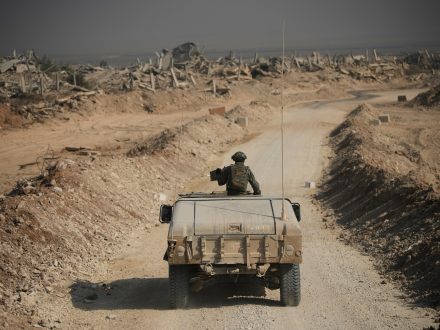
ARICA, Chile — On the windswept pampa of Chile’s northern coast, military excavators scrape out a three‑metre‑deep trench along the frontier with Peru, dumping earth into a growing embankment. The works form part of President José Antonio Kast’s new “border shield,” a hardline response to migration and cross‑border crime that helped drive his election victory.
Rows of concrete markers trace the boundary as Chilean soldiers patrol nearby. Across the plain, Peruvian border police sit under tattered blue awnings, watching the activity warily. Kast, an ultra‑conservative Catholic and father of nine who campaigned on cracking down on illegal immigration, visited Arica days after taking office to inaugurate the project and declared: “We want to use excavators to build a sovereign Chile… which has been undermined by illegal immigration, drug trafficking, and organized crime.”
So far, the excavations are short sections of a larger plan. The ditch on the coast will total 11 kilometres; another in the mountains is planned for seven kilometres, and further south, additional trenches are being dug along the border with Bolivia. The original proposal also envisioned five‑metre walls in some places. Surveillance gear — thermal and infrared cameras, sensors, radars and drones with facial recognition — is slated for later phases.
Cristián Sayes, Kast’s regional delegate, says the project is meant to bring “constant control of the border” to stop illegal migration and confront drug trafficking, smuggling and human trafficking. He describes progress as “53.6%,” roughly six kilometres completed in that sector.
But the scale of Chile’s frontier — about 1,200 kilometres shared with Peru and Bolivia and many thousands of kilometres of porous borders overall — raises questions about how much short stretches of trench will accomplish. Desert winds already blow sand back into the excavations, requiring ongoing maintenance. “This is a constant and dynamic job,” Sayes acknowledged, saying authorities will have to monitor routes smugglers use and keep the ditches from filling.
There are also historical remnants across the landscape: tank traps from the 1970s and sections still sown with anti‑tank mines dating to a period of heightened tensions.
The government argues the measures are necessary despite data suggesting illegal entries across the northern frontier have been falling. Prefect Inspector José Contreras Hernández, head of the regional investigative police, said attempts dropped from about 2,460 in 2024 to 1,746 in 2025. At the same time, authorities report a sharp rise in irregular departures: nearly 500 thwarted attempts to leave Chile in the first four months of this year in the Arica y Parinacota region, compared with 33 for all of 2024 — a shift officials attribute to recent migration policies and the change of government.
Enforcement has already produced arrests: two Bolivian nationals were detained after trying to fill in a trench section to make it passable. And while entering Chile irregularly currently is not a criminal offense, the Kast administration has sent two bills to Congress that would criminalize illegal entry and restrict migrants’ access to social security benefits.
Critics and analysts caution that digging short ditches will do little to stop migration, drug trafficking or contraband across an extensive and varied frontier. Maintaining trenches in shifting sands and coordinating long‑term surveillance along remote stretches will be costly and technically demanding. Whether the “border shield” will significantly alter movement across Chile’s borders or primarily serve as a political symbol of a tougher posture on migration remains uncertain.