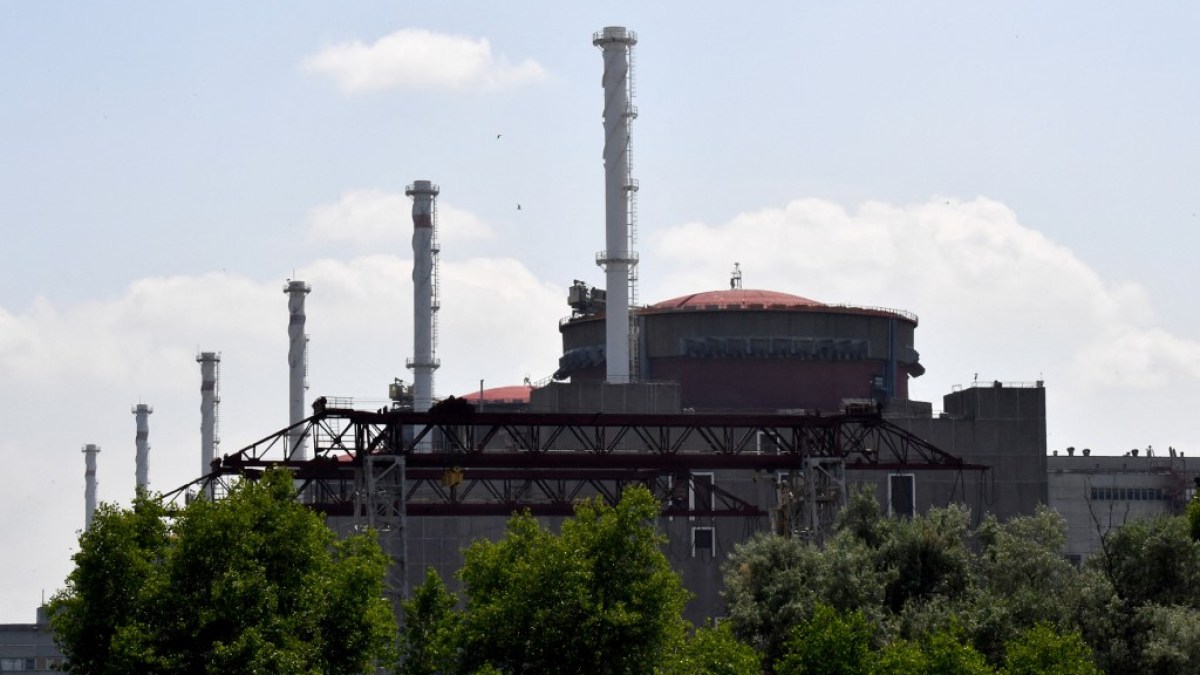

Ukraine’s anti-corruption bureau has opened a probe into an alleged $100 million kickback scheme tied to state nuclear operator Energoatom, the company that supplies more than half of the country’s electricity. The National Anti-Corruption Bureau (NABU) said a “high-level criminal organisation” ran the scheme, led by a businessman and involving a former adviser to the energy minister, Energoatom’s head of security and four other employees. NABU said roughly $100 million flowed through the operation.
NABU chief detective Oleksandr Abakumov said the minister’s former adviser and the security director effectively controlled Energoatom procurement, forcing contractors to pay illegal benefits. Investigators allege contractors were coerced into paying kickbacks of 10–15% to avoid losing contracts or suffering payment delays, and that the group discussed raising the rate while work was underway last October on protective structures at the Khmelnytskyi nuclear plant.
The agency described Energoatom as a strategic enterprise with annual revenue above 200 billion hryvnias (about $4.7 billion) that was, NABU says, managed in practice by people without formal authority. NABU released photographs of cash—hryvnias, US dollars and euros—found in bags and piled on tables, but it has not identified the owners of the seized money.
The investigation has been extensive: 70 searches, review of more than 1,000 hours of audio recordings and deployment of NABU’s full detective staff over 15 months. President Volodymyr Zelenskyy urged full cooperation with investigators and demanded a clear legal response and criminal convictions for those responsible. His comments follow months in which he reversed plans to curb NABU’s independence after mass protests; anti-corruption progress remains a key condition for Ukraine’s EU prospects.
Energoatom confirmed its offices were being searched and said it was cooperating. Deputy Energy Minister Svitlana Grynchuk said she was not yet familiar with all case details but pledged transparency and accountability and said a transparent probe should reassure international partners. Opposition lawmaker and anticorruption campaigner Yaroslav Zheleznyak said he would seek a parliamentary motion to dismiss Grynchuk and her predecessor, German Galushchenko, now justice minister; Grynchuk declined to comment and Galushchenko did not respond to requests for comment.
The allegations come as Ukraine braces for another harsh winter amid repeated Russian strikes on energy infrastructure. While reactors themselves have not been directly targeted, associated substations have been hit repeatedly, underscoring how internal corruption and wartime damage together threaten the country’s energy security and its standing with international partners.