
The 30th UN climate conference, COP30, opened in Belém on Monday, with delegates urged to set aside political divisions and focus on halting global warming. The 12-day summit on the edge of the Brazilian Amazon is expected to draw about 50,000 people from more than 190 countries.
“In this arena of COP30, your job here is not to fight one another – your job here is to fight this climate crisis, together,” UN climate chief Simon Stiell told attendees, warning that previous agreements had helped but that nations must act “much, much faster” to cut greenhouse gas emissions. “Lamenting is not a strategy. We need solutions,” he added.
A new UN analysis released ahead of the talks found that current national pledges fall far short of the emissions cuts needed by 2035 to keep global warming near 1.5C (2.7F) above pre-industrial levels — a threshold scientists say will worsen impacts if breached.
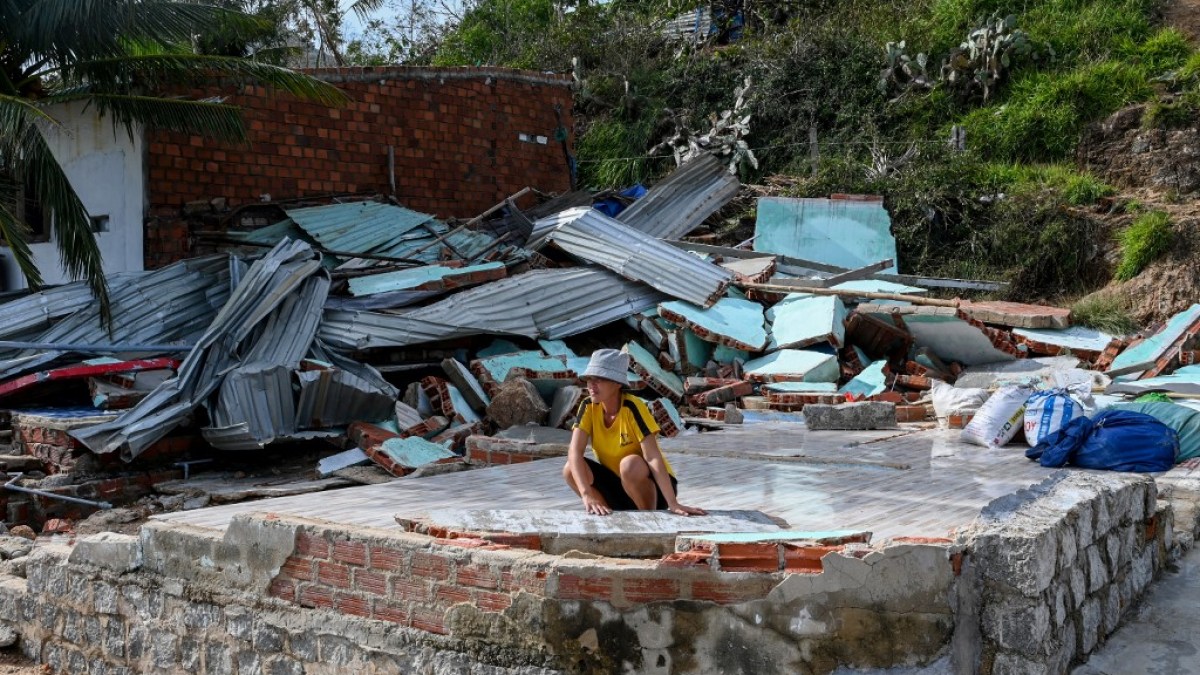
Brazilian President Luiz Inácio Lula da Silva denounced attempts to undermine climate action, saying: “Climate change is no longer a threat of the future. It is a tragedy of the present.” He criticised attacks on institutions and science and urged stronger commitment to the talks.
The United States is not sending official delegates to COP30, reflecting President Donald Trump’s stance on climate policy. Former US climate envoy Todd Stern said of the absence, “It’s a good thing that they are not sending anyone. It wasn’t going to be constructive if they did.” COP30 president André Corrêa do Lago said the US absence “has opened some space for the world to see what developing countries are doing.”
Indigenous voices at the summit also pressed for action. Pablo Inuma Flores, a leader from Peru, told delegates: “We want to make sure that they don’t keep promising, that they will start protecting, because we as Indigenous people are the ones who suffer from these impacts of climate change.”
Dozens of scientists wrote to COP30 participants warning of rapid losses in glaciers, ice sheets and other frozen regions, saying: “The cryosphere is destabilising at an alarming pace,” and urging negotiators not to let short-term national interests or geopolitical tensions derail the talks.