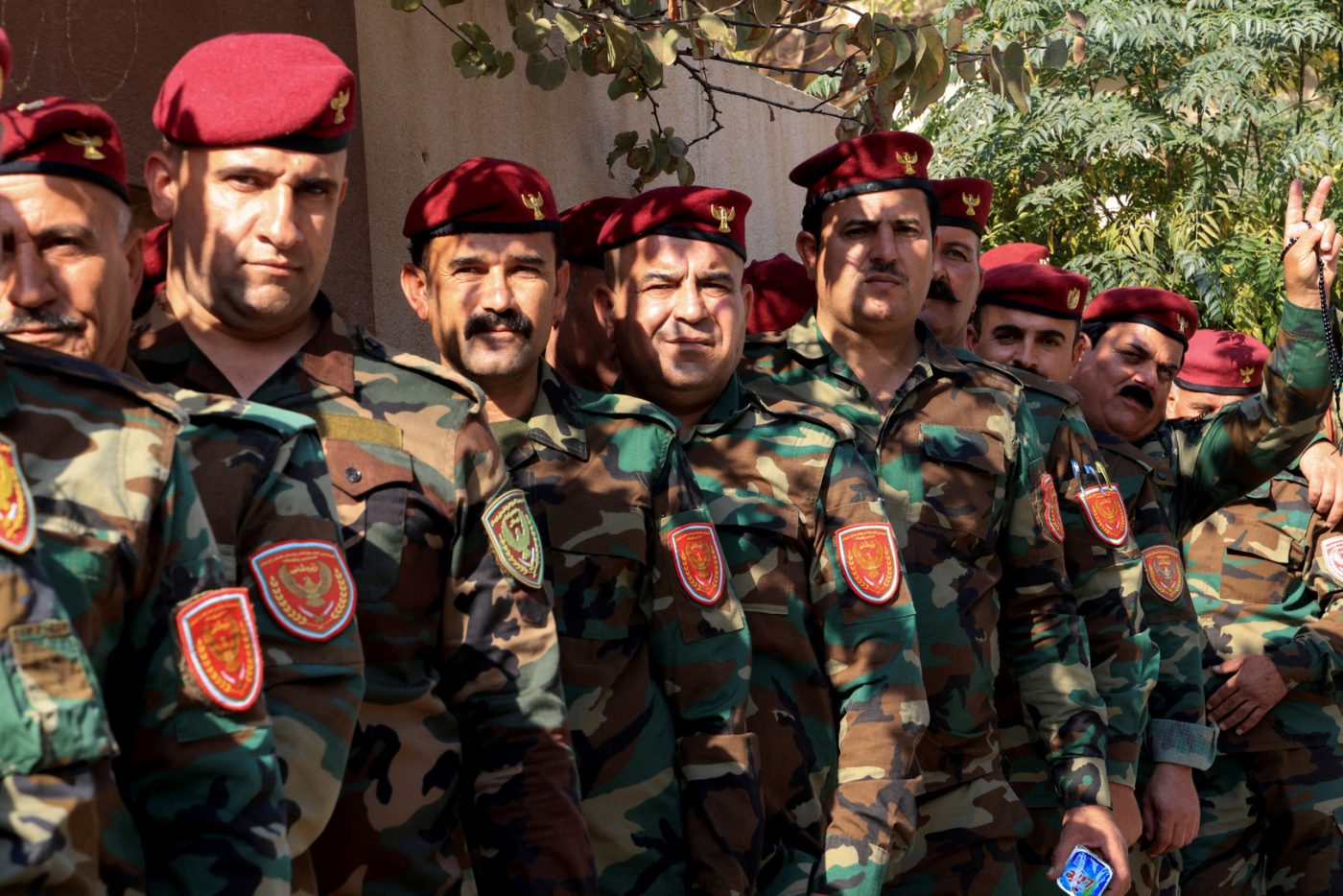

Iraq is voting against a backdrop of deep divisions inside the Shia political elite and a changing regional landscape. Prime Minister Mohammed Shia al-Sudani is navigating pressure from Iran, competing interests from the United States and Gulf states, and a fragmented domestic scene, while the powerful Sadrist movement’s decision to boycott the ballot has altered turnout and the arithmetic for coalition-building.
The boycott by Sadrist supporters, who once were a major mobilizing force, has removed a sizable bloc of voters from the contest and handed an advantage to more organized parties that remain in the race. That shift could strengthen Iran-aligned and other established Shia factions that participate, but it also risks producing a parliament that is more polarized or more fractured, complicating the formation of a stable government.
For al-Sudani, the election outcome will determine how much room he has to maneuver. He must balance domestic demands for services and reform with the foreign policy and security priorities pushed by neighboring states and Washington. Each external actor—Tehran, Gulf capitals and the U.S.—has leverage and interests in Baghdad, and the composition of the next parliament will affect which of those influences holds sway.
Beyond immediate power struggles, the vote carries implications for Iraq’s economic recovery, internal security and diplomatic orientation. A low-turnout result risks questions of legitimacy and could lengthen negotiations over a governing coalition. Whoever emerges to lead the next government will face the twin tasks of managing competing external pressures and addressing persistent domestic grievances.
Published on 10 Nov 2025