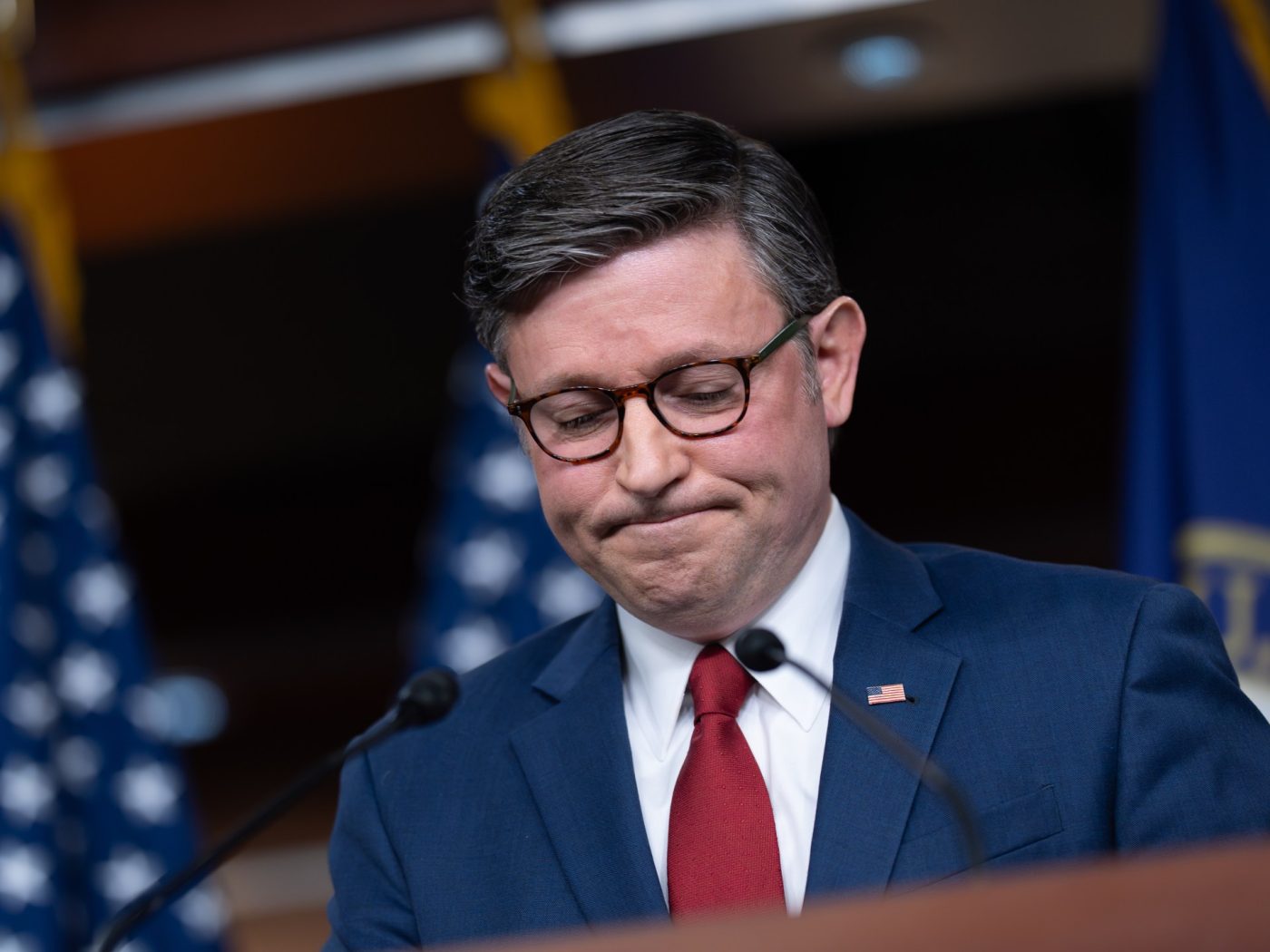

Speaker Mike Johnson said the House will vote “as soon as possible” after the Senate approved a procedural measure that could reopen the federal government. He told reporters members will get 36 hours’ notice before a final House vote and urged lawmakers to begin returning to Washington “right now.”
Johnson praised the bipartisan Senate support for the 60-40 vote that kept the shutdown-ending measure moving forward. President Donald Trump also backed the proposal, calling it “very good.” The Senate majority included seven Democrats and one independent who joined Republicans: Senators Dick Durbin (Ill.), Jacky Rosen (Nev.), Tim Kaine (Va.), Maggie Hassan (N.H.), Jeanne Shaheen (N.H.), Catherine Cortez Masto (Nev.), John Fetterman (Pa.), and Independent Angus King (Maine).
The temporary funding package would reopen government operations, provide back pay for furloughed federal employees, and largely maintain current funding levels through a short-term stopgap that runs to Jan. 30. It also funds programs such as the Supplemental Nutrition Assistance Program (SNAP).
Not included in the deal is a clear resolution for expiring Affordable Care Act premium subsidies that Democrats have pressed to extend. That issue was postponed to a December vote, just weeks before the subsidies are set to lapse, raising concern among advocates and analysts about whether an extension will pass.
“If they can’t do this, voters will be even more cynical,” said Lindsay Owens, executive director of the Groundwork Collaborative. A Kaiser Family Foundation analysis warned that if subsidies expire, average premiums for people buying insurance through the ACA marketplace could more than double.
House Democratic leader Hakeem Jeffries pledged to keep pushing for subsidy extensions, calling it “a patriotic fight” and noting that more registered Republicans than Democrats rely on the tax credits. Republican strategist Adolfo Franco suggested Democrats could shape the narrative by advancing their bill in December and said some Republicans might join an extension effort, improving its chances.
Trump also weighed in on the health care debate, saying, “We want healthcare where we pay money to people, not healthcare companies.”
Despite progress toward reopening, travel disruptions continued. Airlines canceled more than 1,000 U.S. flights on Monday amid air traffic staffing shortages and reports that controllers, unpaid and overworked, called in sick. Johnson said controllers were under stress and struggling to support their families. Trump said he would dock pay for controllers who do not return and offer a $10,000 bonus to those who stayed on the job through the shutdown.
Financial markets reacted positively to the prospect of an end to the shutdown. By late morning in New York the Nasdaq and S&P 500 were higher, while the Dow remained relatively flat.