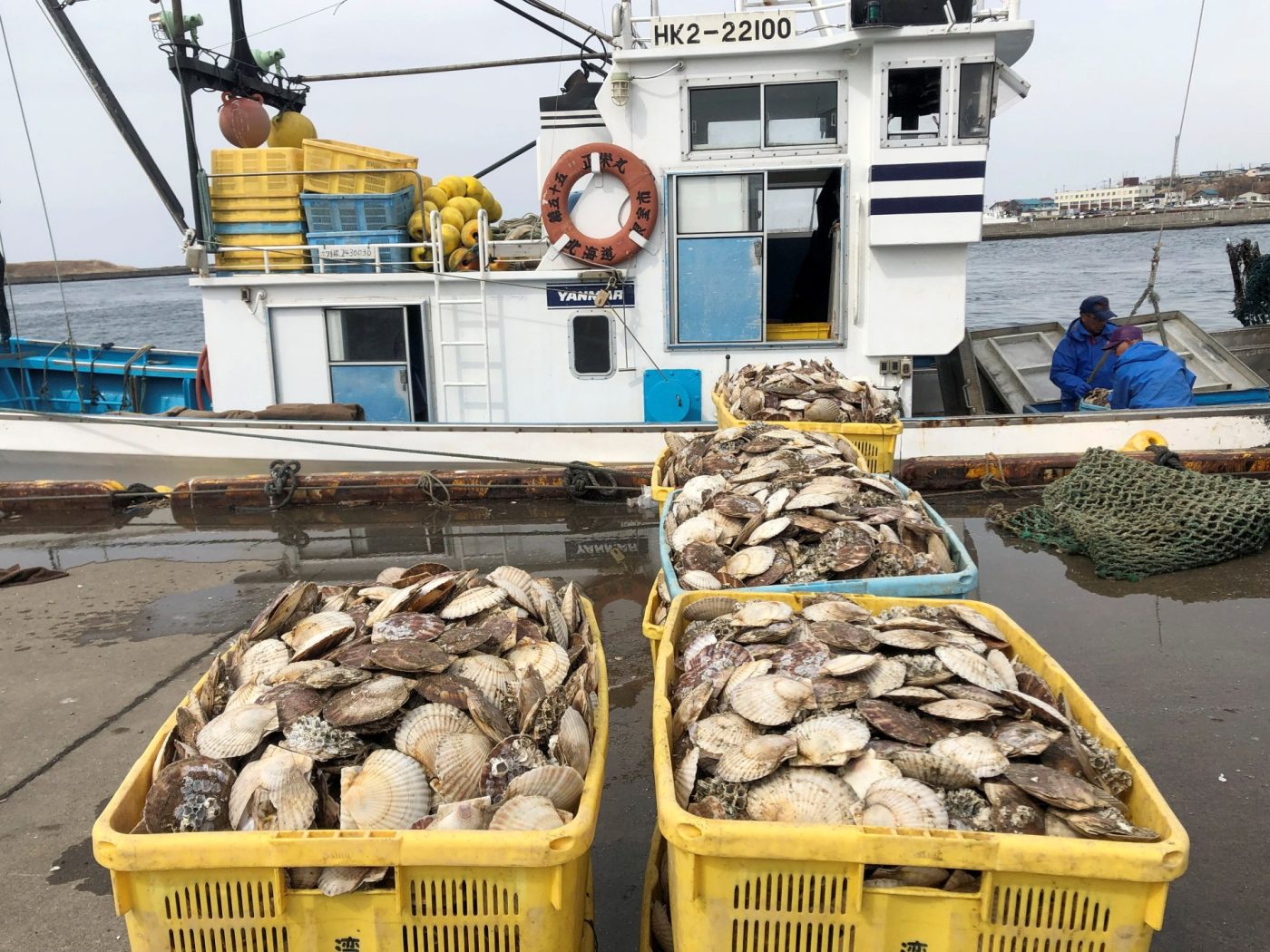

Japan has resumed seafood shipments to China after Beijing lifted a two-year ban that followed the discharge of treated wastewater from the tsunami-damaged Fukushima Daiichi nuclear plant. Chief Cabinet Secretary Minoru Kihara said 6.6 tonnes of scallops were shipped on Wednesday, the first exports to China since the August 2023 restrictions took effect.
The Fukushima plant suffered triple meltdowns after the 2011 earthquake and tsunami, producing large volumes of contaminated water that were stored in tanks before being treated. More than 18,000 people died in the initial disaster, and thousands more have died from related effects in the years since.
Japan began releasing treated radioactive water into the Pacific in August 2023. Tokyo and the International Atomic Energy Agency have stated the controlled releases meet safety standards, while China imposed a ban on Japanese seafood citing contamination concerns. Tokyo called some of China’s claims scientifically unfounded.
China announced in June that it would lift the ban after repeated negotiations. Under the agreement, Japanese fish processing facilities that export to China must be registered, and exporters must include certificates of inspection confirming seafood has been tested for radioactive material. Officials described these measures as steps to reassure Chinese authorities and consumers.
The ban had hit Japan’s seafood sector hard, particularly scallop and sea cucumber producers, because China is the largest overseas market for many Japanese seafood products. The scallops exported this week were harvested in Hokkaido. Beijing, however, continues to bar seafood from Fukushima prefecture and nine neighboring prefectures.
Kihara said the government views the resumption as a positive development and will press China to lift remaining regional bans and to consider resuming imports of Japanese beef. China stopped importing Japanese beef in 2001 after cases of bovine spongiform encephalopathy were detected.