A Proposal to Let Donors Die During Organ Retrieval Splits Bioethicists
The idea would set aside the Dead Donor Rule for patients who have already chosen euthanasia. Its critics say the rule is the reason the system works at all.
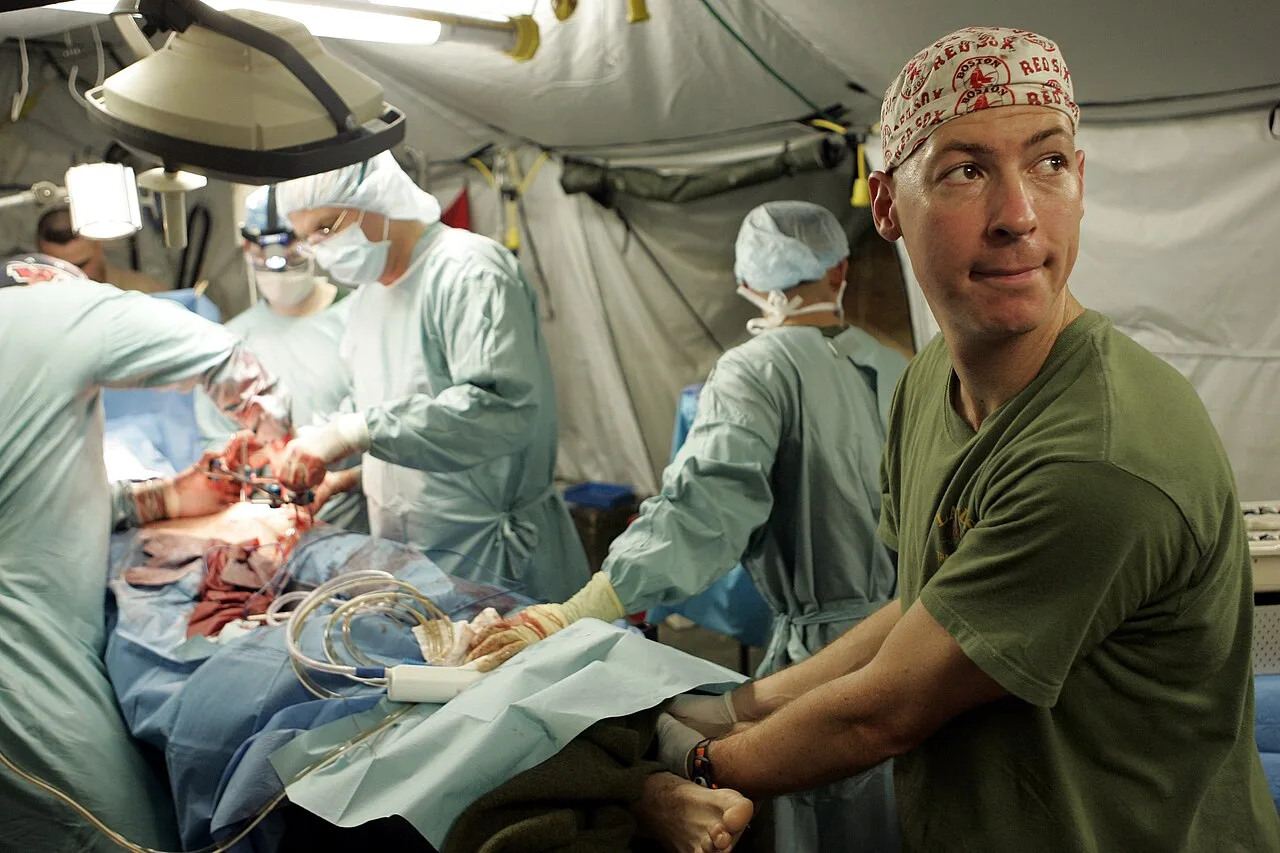
A proposal to allow patients who have chosen euthanasia to die during organ retrieval has reopened one of the oldest arguments in transplant medicine: what a person may consent to, and what a doctor may do.
The idea, set out in a New England Journal of Medicine paper co-authored by Harvard bioethicist Robert Truog and others, would have such patients anesthetized and their vital organs removed while still biologically functioning, causing death in the process. Supporters argue it preserves organ quality and lets donors do the most good with what they leave behind. Critics call it a breach of the profession's most basic rule.
The rule at stake
Where euthanasia or assisted dying is legal, organs may be removed only after death is declared. That practice rests on the Dead Donor Rule, which has governed transplant ethics for decades: procurement may not cause death, and the donor must be dead before it begins. Because euthanasia patients are given lethal drugs first, many organs — hearts and lungs especially — are damaged beyond use.
Proponents say respect for patient autonomy justifies revisiting that limit. In countries where euthanasia is lawful, some patients want to donate as a final act, and retrieving organs while they remain viable would increase both the number and the quality available. Any such system, they argue, would need rigorous safeguards, independent oversight and consent processes designed to keep the decision to die separate from the decision to donate.
The objections
Opponents are unequivocal. They describe the practice as a fundamental violation of the physician's duty not to kill, and note that consent has moral and legal limits: a person cannot validly consent to being killed for the benefit of others. The deeper worry is trust. If the public comes to suspect that doctors might hasten death to retrieve organs, people may become less willing to seek palliative care or to register as donors at all, worsening the shortage the proposal is meant to relieve.
Others raise the question of where the line would sit once it moved. A principle accepted for voluntary euthanasia could be pressed toward assisted-suicide cases, or toward hospice patients who are already vulnerable.
Even sympathetic bioethicists say the idea is alarming on first hearing and should be examined slowly: transparent analysis, public discussion, and pilot frameworks only where euthanasia is already legal and consent is documented and unpressured. Any change would demand new legal standards, clinical protocols and independent oversight. For now it remains a proposal, and a long way from practice.
Filed under Health