Mortgage Rates Hit a One-Year High as Oil and Inflation Bite
The average 30-year fixed loan reached 6.66%, undoing a slide that had briefly pushed rates below 6% in February.
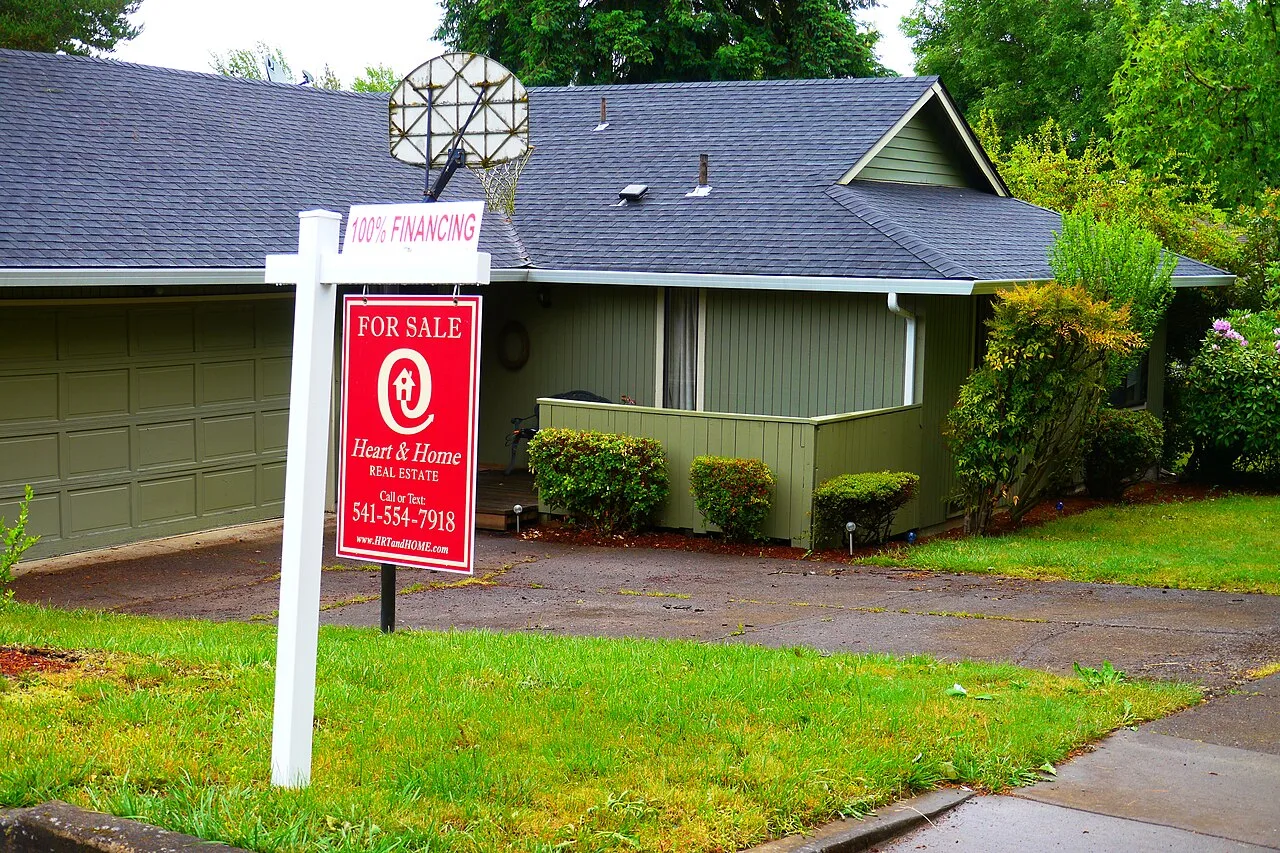
The average rate on a 30-year fixed-rate mortgage rose to 6.66% this week, its highest level in a year, according to Freddie Mac. The reading sits just below the 6.72% average recorded at the end of last July, and marks the end of a slide that had made homeownership look briefly more attainable.
Rates fell through late 2025 and into early 2026, dipping under 6% in February. The hope then was that a weak housing market might revive as buyers returned and homeowners with cheap pandemic-era loans felt less locked in place. That has not happened.
Oil, Treasuries and the Fed
The war with Iran and the temporary closure of the Strait of Hormuz pushed oil prices up, raising shipping and production costs and feeding inflation expectations. Those expectations lifted yields on the 10-year Treasury note, the benchmark mortgage rates track most closely, and mortgages followed.
"Oil prices always swing mortgage rates," said Kara Ng, senior economist at Zillow. "You get a real-time read every time you go to a gas pump about what it means to buy a home." The national average price of regular gasoline was about $4.10 a gallon on Thursday, roughly $1.11 higher than before the conflict began.
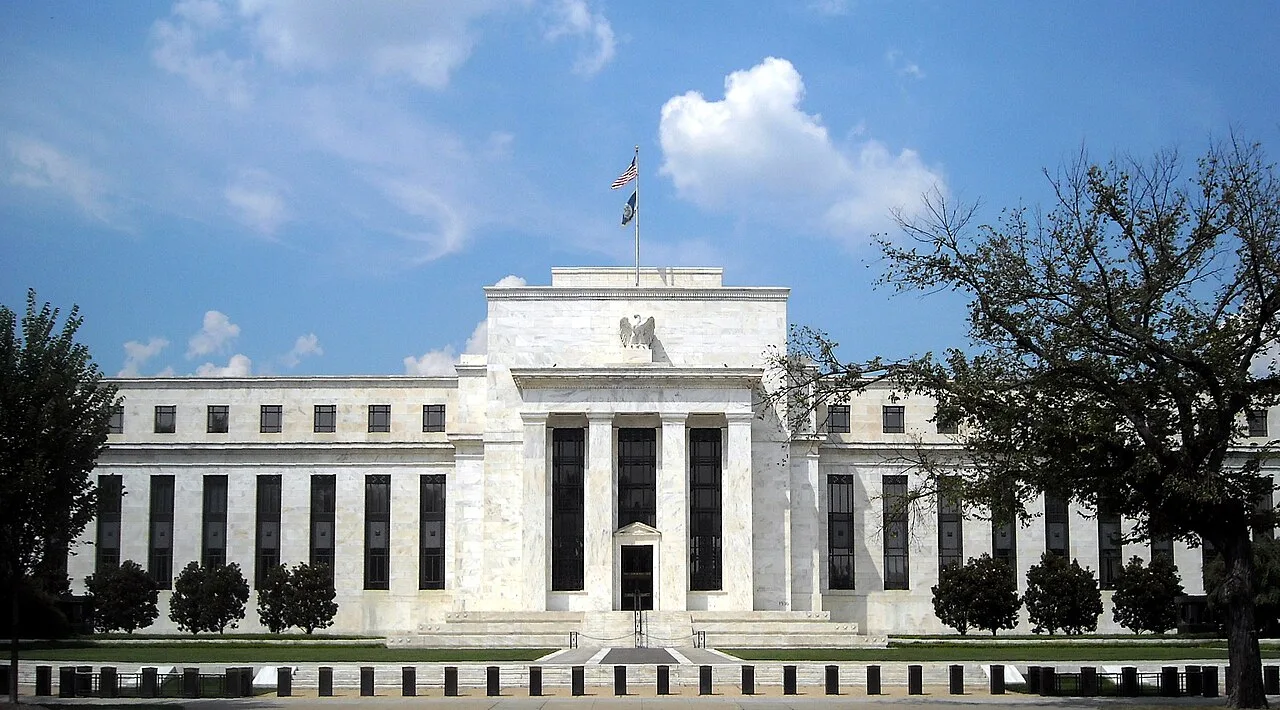
Investors are also reading the Federal Reserve. The central bank left its benchmark unchanged at its most recent meeting, but three members of the rate-setting committee voted to raise it — an unusual split that markets took as a signal a hike could come as soon as September, which tends to push longer-term yields higher.
Kate Wood, a housing analyst at NerdWallet, said the intermittent pauses and resumptions in the fighting make it hard for markets to settle. "The best bet would be a decisive, conclusive, actually-sticks end to fighting in Iran," she said, adding that even then, "markets might be a little bit once bitten, twice shy."
Prices are not helping
Higher borrowing costs are landing on top of high prices. Transactions have barely moved in three years, according to the National Association of Realtors. The median existing-home sale price passed $440,000 in June, while sales fell about 2.4% from a year earlier. The combination has kept would-be buyers on the sidelines and the market slow.
Filed under Business