Apple Rebuilds Siri and Wires AI Through Its Operating Systems
The assistant becomes a standalone app with access to a user's own messages and mail. Analysts called it a prove-it moment; the shares fell 2%.
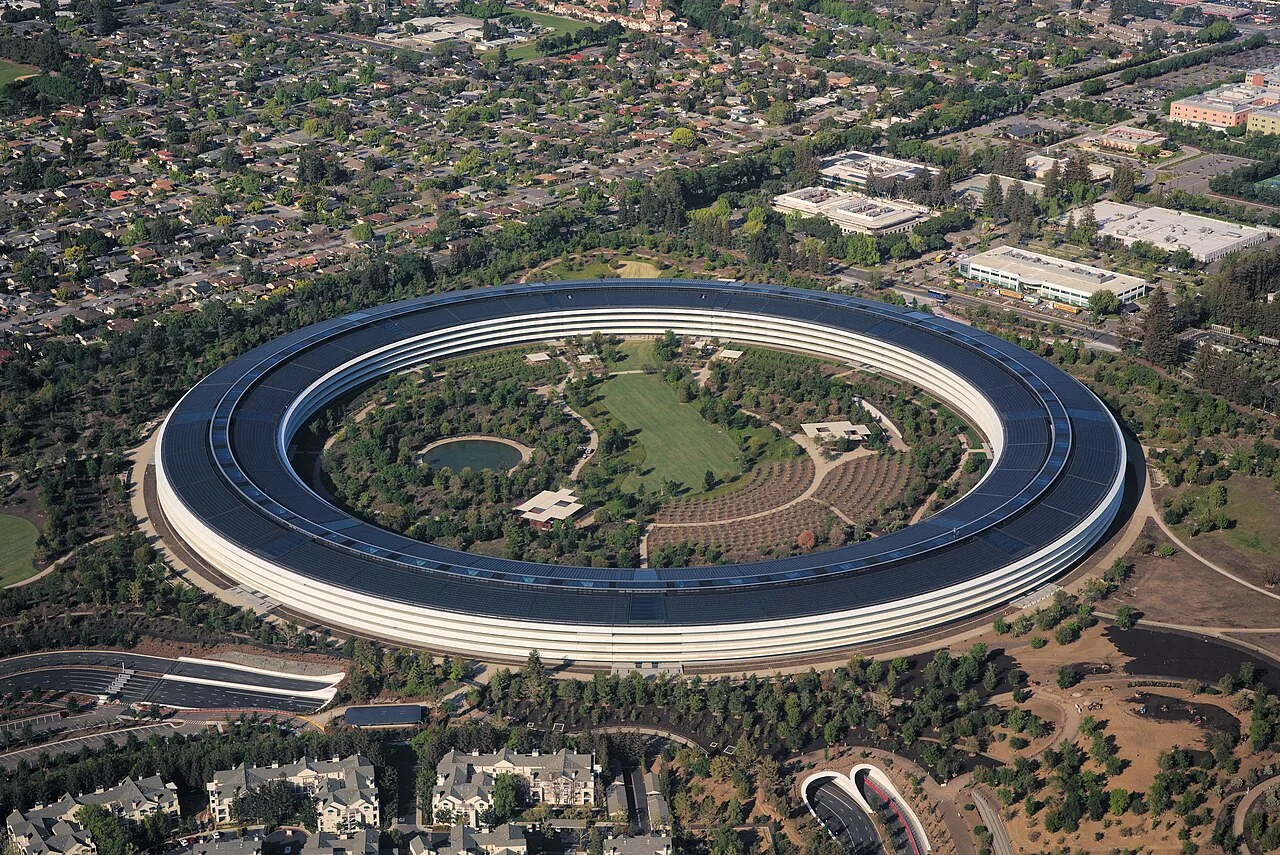
Apple used its Worldwide Developers Conference to make its clearest move yet into artificial intelligence, unveiling a rebuilt Siri and threading AI features through its operating systems.
The company showed "Siri AI," a reworked assistant that will exist as a standalone app and be reachable from home-screen search and inside apps such as Photos. Apple says it will combine internet and cloud access with signals from a user's own device — messages and email included — to answer questions, make recommendations and carry out tasks like organizing photos or pulling an address out of a text.
Demonstrations showed the assistant finding information online, suggesting menu items, extracting details from messages and moving images into albums. Executives stressed a privacy-first design and said the goal is an assistant that serves a user's needs rather than an attention-seeking chatbot.
Craig Federighi, Apple's senior vice president for software design, framed it as a measured rollout after delays that had raised doubts about the company's AI commitment. Siri AI reaches U.S. customers in English later this year, with more languages to follow. It will not launch immediately in the European Union or China, where regulatory requirements differ.
A prove-it moment
Apple shares fell nearly 2% after the announcements. Analysts called the work substantial given how limited Siri has been, while withholding judgment until it ships.
Ben Bajarin of Creative Strategies said the upgrade could fold neatly into tasks people already perform on their devices, but that real-world performance is the test. Francisco Jeronimo of IDC read the strategy as making AI invisible inside the operating system, delivering value without pulling users into long conversations with a chatbot. Daniel Newman of the Futurum Group called it a test of credibility after past delays, and said the reveal checked a necessary box without yet being enough to excite investors.
Apple confirmed the new features will rely in part on Google's Gemini models, under a multi-year collaboration announced earlier this year — a pragmatic route to advanced models without building everything in-house.
Beyond Siri, the company introduced expanded parental controls covering website and app-download restrictions, limits on who can contact a child, and screen-time boundaries.
A last keynote
The session was likely the final main keynote led by Tim Cook, who steps down as chief executive in September. He opened and closed the event but did not present products. Cook becomes executive chairman, handing the role to John Ternus, who currently runs hardware engineering.
Over his 15 years as chief executive, Apple's share price rose sharply on a split-adjusted basis and the company built out services including Apple Pay, Apple Music and Apple News+, alongside its own silicon. Critics point to the absence of a genuinely new product category and to the strategic risk of manufacturing concentrated in China.
Filed under Technology