Medicare's $50 Obesity Drug Pilot Draws Faster Uptake Than Expected
Two months in, CVS and Walgreens have each filled about 100,000 prescriptions under the Bridge program, and the cost question is still open.
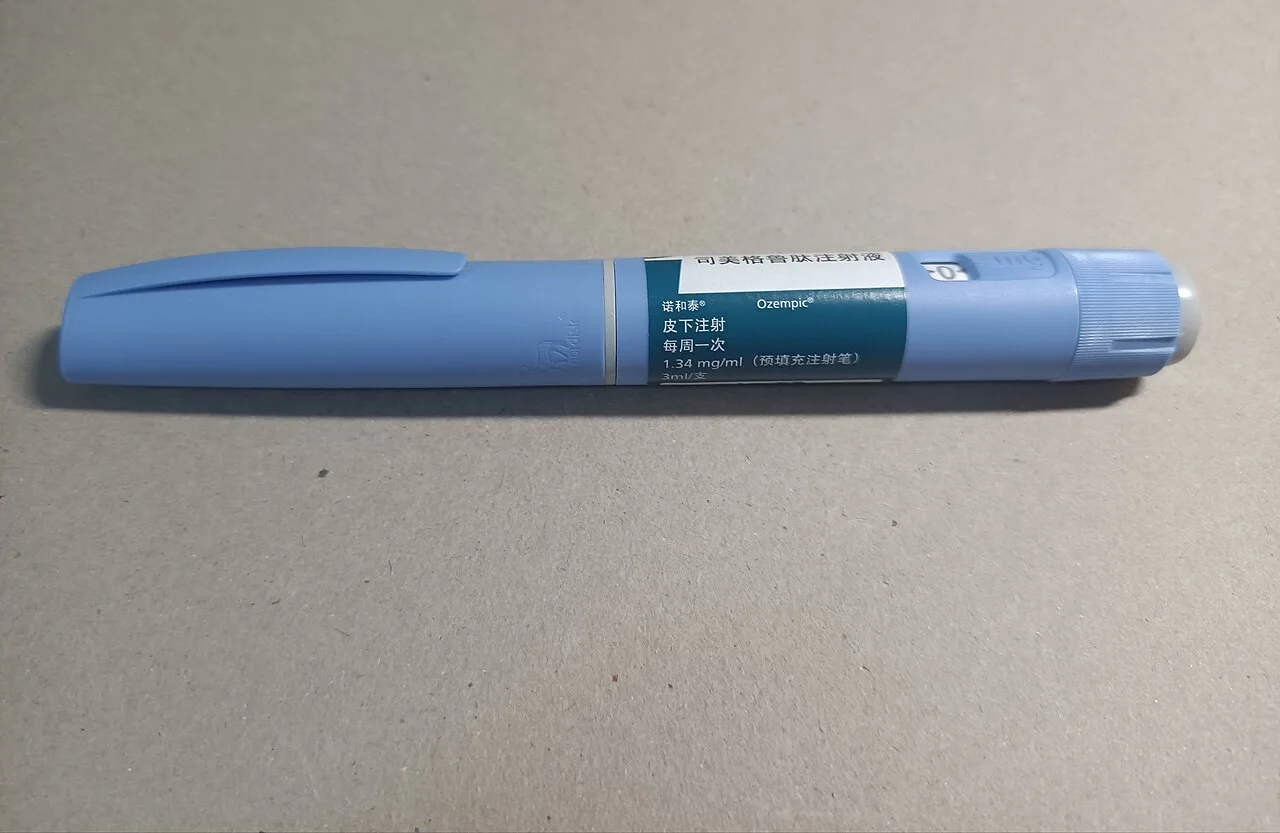
Two months after Medicare began letting eligible beneficiaries buy certain obesity drugs for $50 a month, the pharmacy chains filling the prescriptions say demand has outrun their projections.
CVS and Walgreens each report filling roughly 100,000 prescriptions under the pilot, known as Bridge. Walmart says Bridge fills have been processed at more than 5,000 of its pharmacies and are rising week to week.
The program is a workaround. Federal law generally bars Medicare from covering weight-loss medication, so the pilot instead pays for GLP-1 obesity drugs for people meeting specific clinical criteria — obesity alongside difficult-to-control high blood pressure, for example. It runs through the end of 2027 and requires prior authorization before a prescription can be filled.
Not everyone qualifies. Beneficiaries with sleep apnea or Type 2 diabetes are excluded, because Medicare Part D already covers GLP-1 drugs for those conditions. Chains have pointed patients who fall outside the criteria toward third-party discount cards, manufacturer coupons and vouchers.
At the counter
Walgreens stocked extra supplies of Wegovy, Zepbound and Foundayo ahead of the rollout. Its chief pharmacy officer said the chain expected uptake but has seen more than it planned for, and that about half of the Bridge patients it has served had never taken a GLP-1 before. That has put pharmacists in the counseling role: explaining the nausea and diarrhea that often accompany the first weeks, and keeping patients on therapy through them.
The Centers for Medicare and Medicaid Services has not released detailed enrollment figures, though CMS Administrator Mehmet Oz posted that 250,000 beneficiaries had signed up. How many of those became approved authorizations and filled prescriptions is unclear.
The cost question
Before the pilot began, Medicare estimated roughly 4 million beneficiaries might meet the criteria. Jeremy Shane, a nonresident scholar at the University of Southern California's Leonard D. Schaeffer Institute, said the several hundred thousand fills reported so far could represent 5% to 10% of the eligible population once all pharmacies are counted.
The administration has not published an overall price estimate for the 18-month program. Researchers at KFF put the potential range between $1.3 billion and $10 billion depending on participation, against Medicare Part D drug spending of about $181 billion in 2025. Analysts argue the figure has to be weighed over a longer horizon: if the drugs prevent downstream complications, some of the spending comes back.
Filed under Health