HHS Shelves Rule That Would Have Cut Funding Over Youth Gender Care
The department will not finalize a measure that would have barred Medicare and Medicaid payments to hospitals offering the care. Other tactics remain in play.
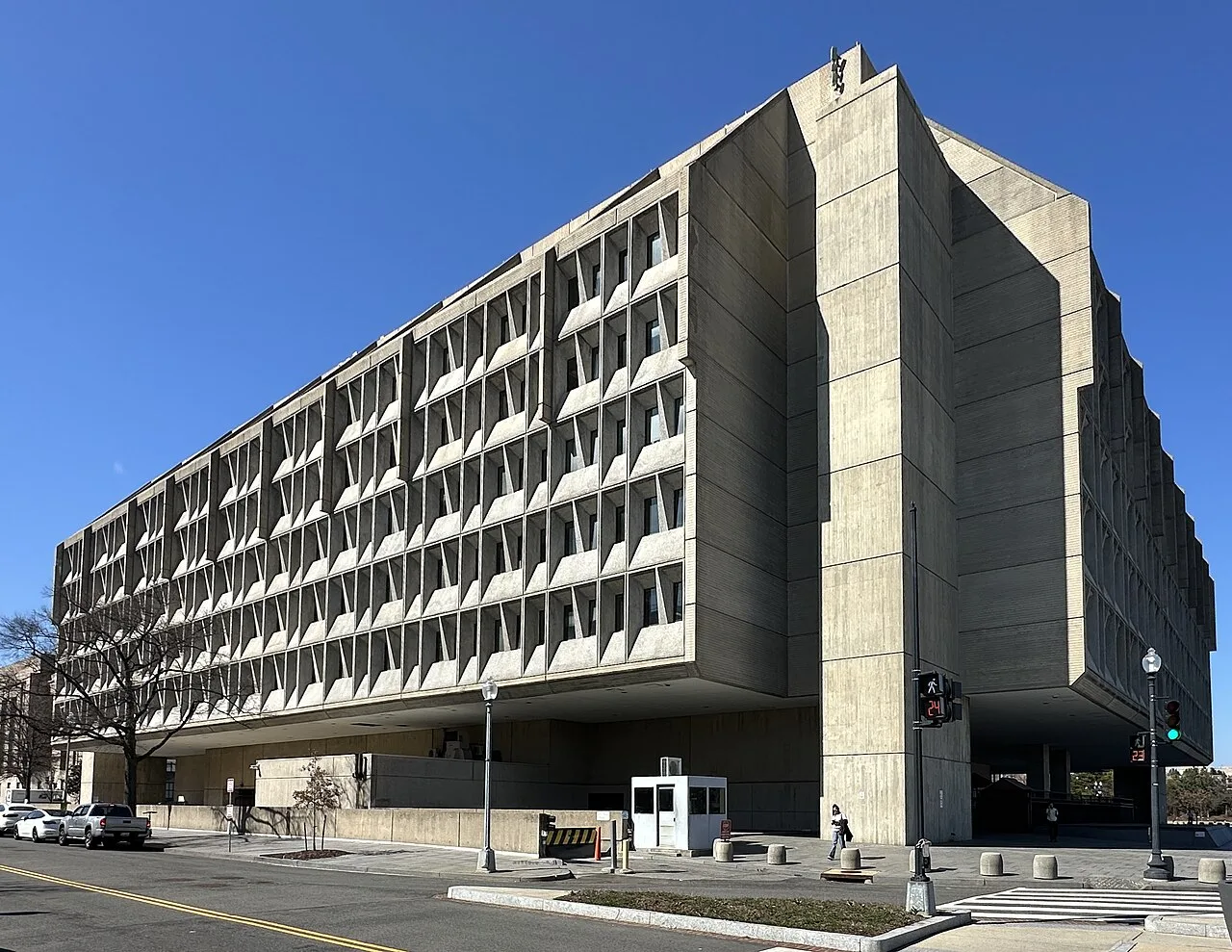
The Department of Health and Human Services has decided not to finalize its most sweeping proposal to cut Medicare and Medicaid funding to hospitals that provide gender-affirming care to minors, according to an internal document.
The rule would have used a Medicare and Medicaid "conditions of participation" requirement to bar federal payments to any hospital offering pediatric gender-affirming services, a measure officials framed as limiting "ideologically driven surgical interventions on vulnerable children." The Centers for Medicare and Medicaid Services said it does not comment on future rulemaking, but that the administration opposes such interventions.
Though written around surgery, the rule would have reached gender-affirming care broadly, most of which consists of mental-health services, puberty blockers and hormone therapy. Surgery on patients under 18 is rare.
An unusual legal instrument
Health policy specialists called the use of conditions of participation unprecedented. Sam Bagenstos, a University of Michigan law professor and former HHS general counsel, noted those conditions historically set basic safety standards — emergency protocols, staffing ratios, supply stockpiles — rather than restricting particular treatments for particular patients. He said the approach raised legal questions, including a possible conflict with the Medicare Act's limits on federal control of medical practice regulated by states.
Opposition was broad. The American Medical Association and the Children's Hospital Association both urged withdrawal, and dozens of other medical organizations defended puberty blockers and hormone therapy as safe and sometimes effective for transgender youth. The agency received more than 30,000 public comments after the proposal was published in December.
What remains
A separate proposed Medicaid rule barring federal reimbursement for transgender pediatric patients is still in final review and could take effect within weeks. A declaration from Health Secretary Robert F. Kennedy Jr. intended to redefine standards of pediatric care was blocked in federal court in Oregon after a suit by Democratic-led states; the department has not appealed.
The Justice Department has issued administrative and criminal subpoenas to hospitals seeking full medical records of transgender youth and employment files for their providers, though courts have blocked many of those requests. The administration has also reached settlements with hospitals in Texas and Ohio that included provisions for detransition clinics.
Katie Keith, who directs the Health Policy and the Law Initiative at Georgetown University, said a finalized rule would have been durable and far-reaching, and that shelving it should give hospitals more confidence to continue providing care. Kellan Baker, a senior health policy adviser at the Movement Advancement Project, called the retreat welcome but narrow, with the broader campaign intact.
The proposal has not been formally withdrawn and could return: the regulatory agenda lists a final action date of December 2028. In the meantime, 27 states have laws banning some or all gender-affirming care for minors, and clinics in states without bans have closed or curtailed services after federal pressure.
Filed under Health