Federal Reserve Changes 2027 Meeting Schedule to Focus on Strategy
The Fed adjusts its 2027 meeting calendar, eliminating the October policy vote and shifting focus to strategic discussions.
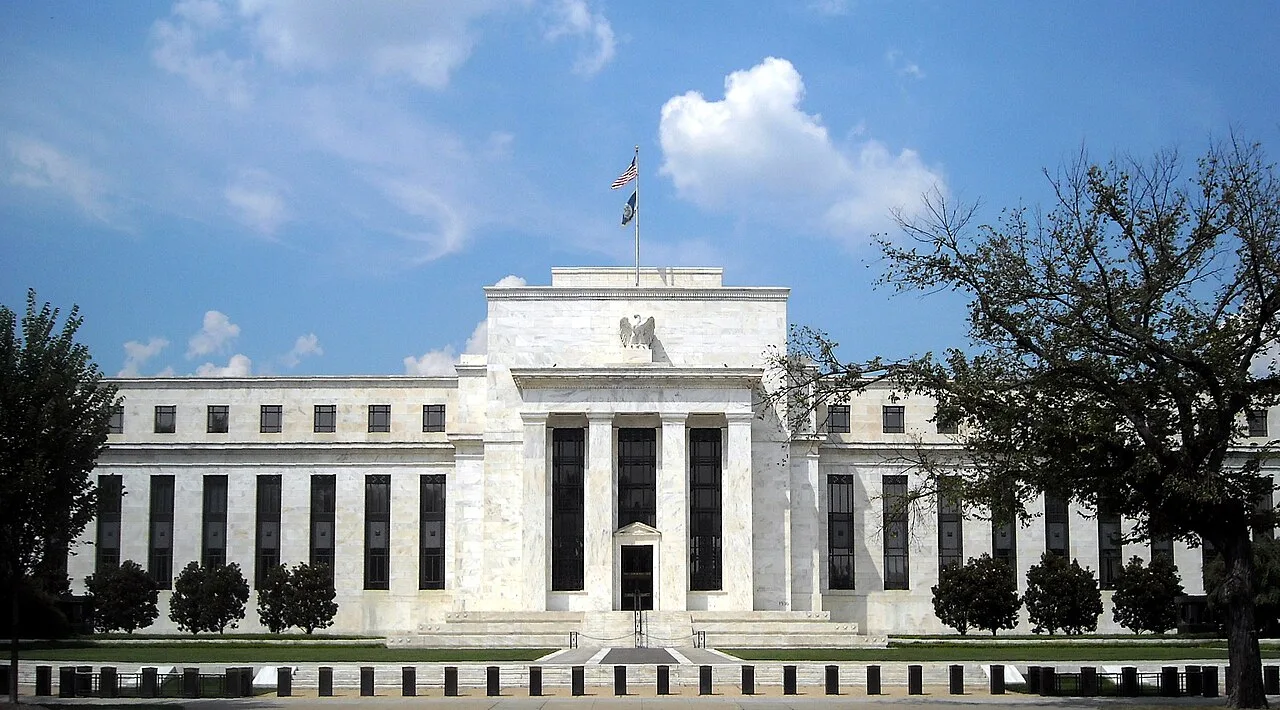
The Federal Reserve has revealed its updated meeting schedule for 2027, reflecting a significant shift in its approach to monetary policy discussions. Under the leadership of Chairman Kevin M. Warsh, who assumed his role in May, the Fed will eliminate an interest rate vote previously slated for October and instead prioritize broader strategic conversations.
Revised Meeting Format
According to the newly released schedule, the Fed will convene eight times throughout the year. Notably, the October 26-27 meeting will no longer focus on immediate interest rate considerations. Instead, it will serve as a forum for exploring general monetary strategy issues.
Additionally, the Fed will not hold a meeting in December, meaning the next opportunity for officials to discuss interest rates will not come until January 2028.
Long-Term Vision for Monetary Policy
Chairman Warsh is orchestrating a broader vision for the Federal Reserve's meetings. By 2028, the plan is to reduce the number of rate-setting meetings to just six while adding two gatherings specifically focused on strategy. These strategy meetings will be distinct as they will not include votes on policy and are not expected to conclude with a formal statement.
Warsh believes that while it's crucial to evaluate immediate economic developments regularly, there is equal importance in setting aside time for deep strategic thinking regarding monetary policy. He emphasized this balanced approach in a recent press conference.
Rationale and Implications
Warsh explained the reasoning behind this restructuring, stating, “Getting policy right involves assessing near-term developments at timely, regular, and information-rich intervals.” However, he underscored the necessity of allowing officials to engage in strategic deliberations that consider longer-term economic perspectives.
This shift aims to provide Fed officials the space to reflect on major economic questions without the pressure of immediate rate-setting tasks. Observers speculate it will also reshape how market analysts interpret the central bank's signals, as fewer meetings focused on rate decisions could lead to adjustments in forecasting strategies.
Market Reactions and Future Considerations
The reorganization resonates particularly with economists and financial analysts who closely monitor the Federal Reserve for indicators on the economic outlook. With a reduced number of rate-setting discussions, these market participants will need to navigate changes in strategy and expectations regarding monetary policy.
As the Federal Reserve transitions to this more strategically focused meeting format, the impact on market dynamics remains to be seen. Analysts and investors alike will pay close attention to insights gleaned from the strategic meetings, which may significantly shape future economic policy directions.
Overall, the Federal Reserve's revised schedule reflects a shift toward a more mindful approach to monetary policy planning. As the year unfolds, the implications of these changes will be closely watched by all stakeholders invested in the economic landscape.
Filed under Business