Global Weather News September 2026: Floods, Extreme Rain, and Growing Disaster Risks
Stay updated on the latest natural disasters and extreme weather events in September 2026, including major flooding, landslides, heavy rainfall, coastal damage, and their impact on communities around the world.
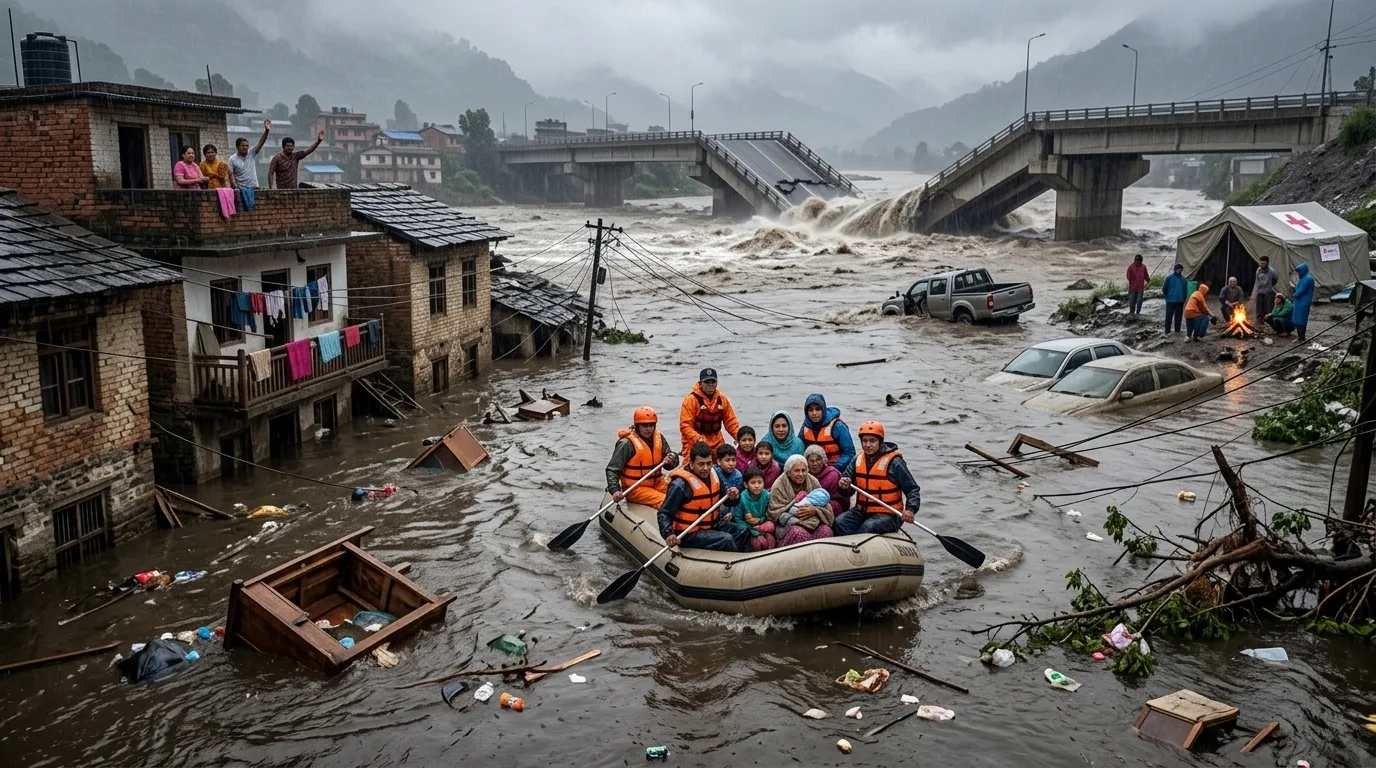
Several parts of the world are dealing with severe weather and natural disasters in September 2026, with flooding, heavy rainfall, landslides, and coastal damage affecting communities across Asia and the United States.
Recent events in Nepal, China, India, Indonesia, and California highlight how quickly extreme weather can disrupt communities, transportation, infrastructure, and everyday life.
1. Nepal Continues Recovering From Catastrophic Flooding
Nepal is still dealing with the aftermath of a devastating disaster that began in late August, when a glacier collapse near the Nepal-Tibet border triggered massive flooding and landslides.
The disaster has killed nearly 1,400 people in Nepal and Tibet, while more than 5,300 people remain missing, according to recent reports. The flooding also destroyed or severely damaged hydropower infrastructure, creating additional challenges for Nepal's electricity supply.
- Major Infrastructure Damage: More than a dozen hydropower plants were swept away or damaged.
- Electricity Challenges: Nepal has had to rely more heavily on electricity imports from India following the disruption.
- Long-Term Recovery: Authorities are seeking significant international assistance to rebuild damaged infrastructure and communities.
The disaster has also renewed attention on the risks facing communities living below unstable glaciers and glacial lakes in the Himalayan region.
2. Heavy Rain Causes Flooding in India
Eastern India has also experienced significant flooding following periods of heavy rainfall.
Parts of West Bengal, including areas around Malda, have experienced flooding, river erosion, and damage to local infrastructure. The Ganges has also risen significantly, increasing concerns about additional flooding in vulnerable areas.
- Evacuations: Residents in affected areas have been moved away from dangerous locations.
- River Erosion: Rising water levels have damaged riverbanks and increased flooding risks.
- Continued Rain: Further rainfall could make recovery more difficult in already affected communities.
The situation demonstrates how heavy rainfall can quickly become a wider infrastructure and humanitarian problem when rivers and drainage systems are overwhelmed.
3. Southern China Faces More Heavy Rain
Hainan province in southern China has experienced persistent heavy rainfall, prompting the evacuation of more than 31,000 people from areas considered at risk.
Rainfall exceeded 300 millimetres in multiple townships between Friday and Sunday, according to reports citing local authorities.
While authorities reported no major disaster from the rainfall at the time, evacuations were carried out as a precaution against flooding and other potential hazards.
- Large-Scale Evacuations: Thousands of residents were moved from higher-risk areas.
- Very Heavy Rainfall: Several locations recorded exceptionally high rainfall totals.
- Preparedness Measures: Early evacuation can reduce the risk of casualties when extreme weather develops.
4. Indonesia Experiences More Flooding and Landslides
Indonesia has also faced severe weather recently. Heavy rain triggered landslides in Central Aceh and widespread flooding in Southeast Aceh on September 13, with at least one death reported.
Indonesia is particularly exposed to flooding and landslides because of its tropical climate, mountainous terrain, and frequent periods of intense rainfall.
Recent volcanic activity has also affected transportation. Earlier in September, volcanic ash from Mount Anak Krakatau forced several Indonesian airports to close, affecting hundreds of thousands of travelers through cancellations and delays.
5. California Deals With Coastal Damage After Storm Swells
The United States has also experienced unusual weather impacts in September.
The remnants of Hurricane Marie produced powerful swells along Southern California, causing significant beach erosion and localized flooding. Some coastal areas experienced damaged infrastructure and dangerous changes to beaches and shorelines.
The event highlights another side of extreme weather: a storm does not necessarily need to make a direct landfall to cause substantial damage. Large waves and coastal flooding can affect communities well away from the storm's original path.
What These Recent Disasters Show
The latest events demonstrate how natural disasters can develop through several connected hazards.
Heavy rainfall can lead to flooding, flooding can trigger landslides, and unstable mountain environments can create additional risks. Coastal storms can also produce dangerous waves and erosion even after their main systems have weakened.
For governments and communities, disaster preparation is becoming increasingly important.
- Early Warnings: Better weather monitoring can provide additional time for evacuations.
- Stronger Infrastructure: Roads, bridges, drainage systems, and power networks need to withstand increasingly difficult conditions.
- Emergency Planning: Communities benefit from clear evacuation routes and reliable emergency communication.
- Climate Monitoring: Mountain glaciers, rivers, coastlines, and other vulnerable environments require continued monitoring.
Why These Events Matter
Recent disasters across Asia and the United States show that extreme weather can affect far more than immediate safety. Floods, landslides, coastal erosion, and volcanic disruptions can damage homes, interrupt transportation, affect electricity supplies, and create long recovery periods.
The situation in Nepal is particularly significant because the disaster has affected both communities and critical infrastructure, while the continuing rainfall and flooding elsewhere demonstrate how quickly weather-related risks can spread across regions.
As September continues, authorities and residents in vulnerable areas are closely monitoring weather conditions and preparing for additional disruptions.
Filed under World