Impact of the 2026 Midterms on Political Landscape Through 2028
The upcoming midterm elections will play a crucial role in shaping the political future leading up to 2028.
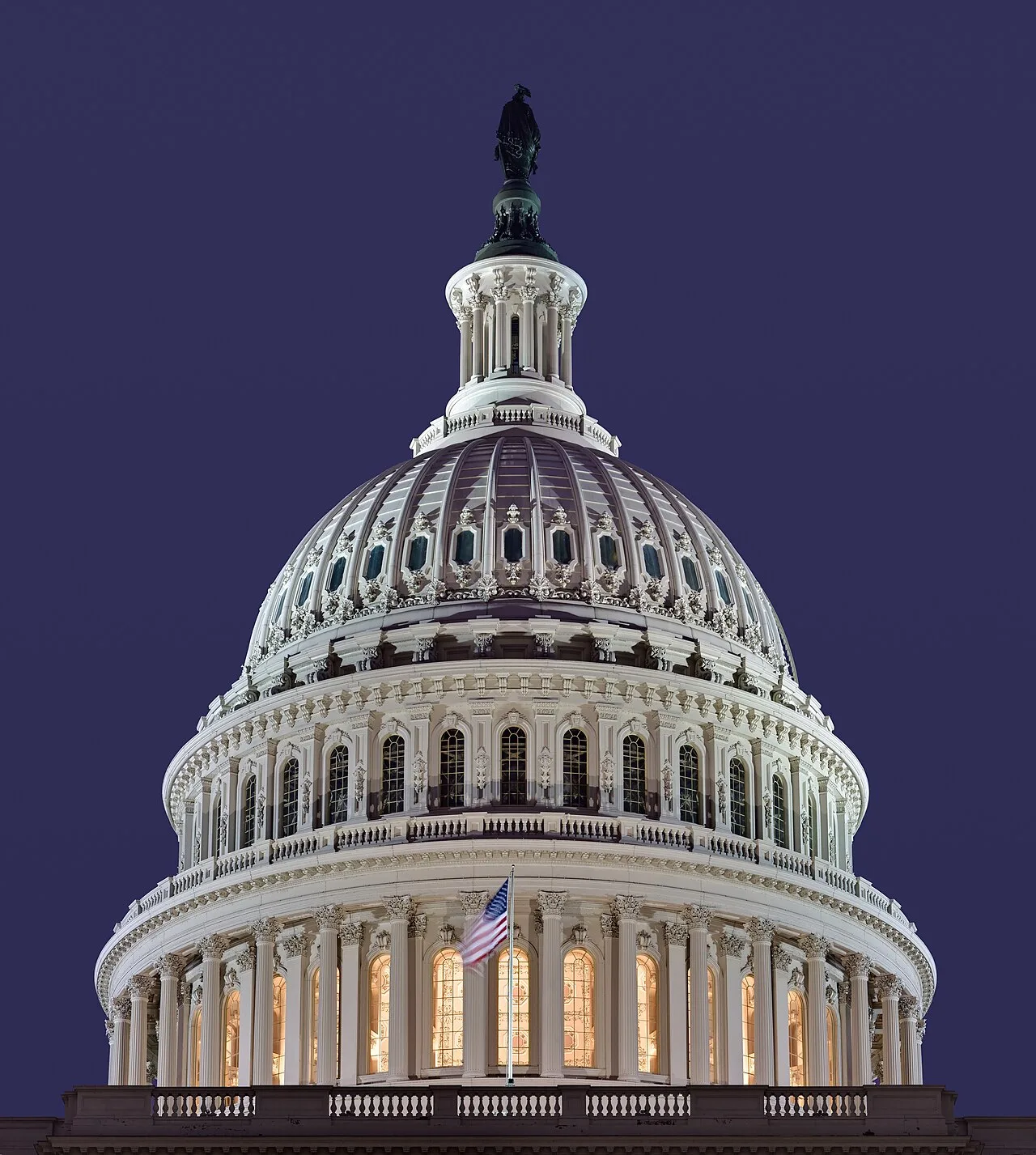
The 2026 midterm elections are gearing up to serve as a significant fork in the road for American politics, with potential implications reaching all the way to the 2028 presidential race. As voters head to the polls, both major parties are keenly aware of the stakes involved in these elections, which will determine control of Congress in the final years of President Donald Trump’s term.
Senate Stakes and Future Dynamics
The Senate will be one of the main battlegrounds, as the outcomes will dictate the landscape of congressional power for six years. If Democrats succeed in capturing seats in GOP strongholds like Texas, Alaska, and Iowa, it could signal a major turning point in American political dynamics. Conversely, Republicans must work to hold on to red states that Trump won during his elections. Losing control in these areas could severely restrict their path back to a Senate majority in 2028.
For the Democrats, the pressure will be intensely felt as they look to defend crucial seats in states such as Arizona, Georgia, Nevada, and Pennsylvania. The GOP’s chances of success in 2028 could hinge on their ability to maintain these positions now, especially since they previously failed to secure these seats in a favorable environment in 2022.
The House of Representatives: Immediate Implications
Meanwhile, the House of Representatives presents its own set of immediate challenges and opportunities. With all 435 members up for election every two years, the results from the upcoming midterms will have quick repercussions. Historical trends indicate that the opposition party often gains ground in the House during midterm elections, making it critical for Democrats to achieve a substantial victory.
If Democrats only manage to clinch a narrow majority in the House, the historical evidence suggests that their hold could be precarious in the following presidential election cycle. A strong performance now could offer them the leverage needed for a thicker cushion come 2028.
The Weight of Historical Context
Historically, the last president to assume office amidst a divided Congress was George H.W. Bush in 1989. Given the polarized environment of modern politics, a new president may face significant roadblocks to their legislative agenda, particularly in appointing Cabinet members or maneuvering important bills through Congress. The way both the Senate and House elections unfold in 2026 will play a consequential role in shaping how effective the next president will be.
Every congressional seat that Republicans manage to retain could set them up for success in future election cycles, even if they lose overall control of Congress. The fallout from these elections will set a crucial precedent ahead of 2028.
Conclusion: Looking Towards the Future
As the 2026 midterms approach, both parties are aware of the long-term ramifications of these elections. Navigating the political terrain in this cycle will not only affect the immediate governance landscape but will also lay the groundwork for the future battles leading up to the next presidential election. Voter turnout, party strategies, and campaign effectiveness will all factor into what the political scene will look like in the lead-up to 2028.
Filed under Politics