Judge Voids Visa Ban Covering Citizens of 75 Countries
A federal court found the State Department policy discriminated by nationality, in breach of a law written in 1952 to forbid exactly that.
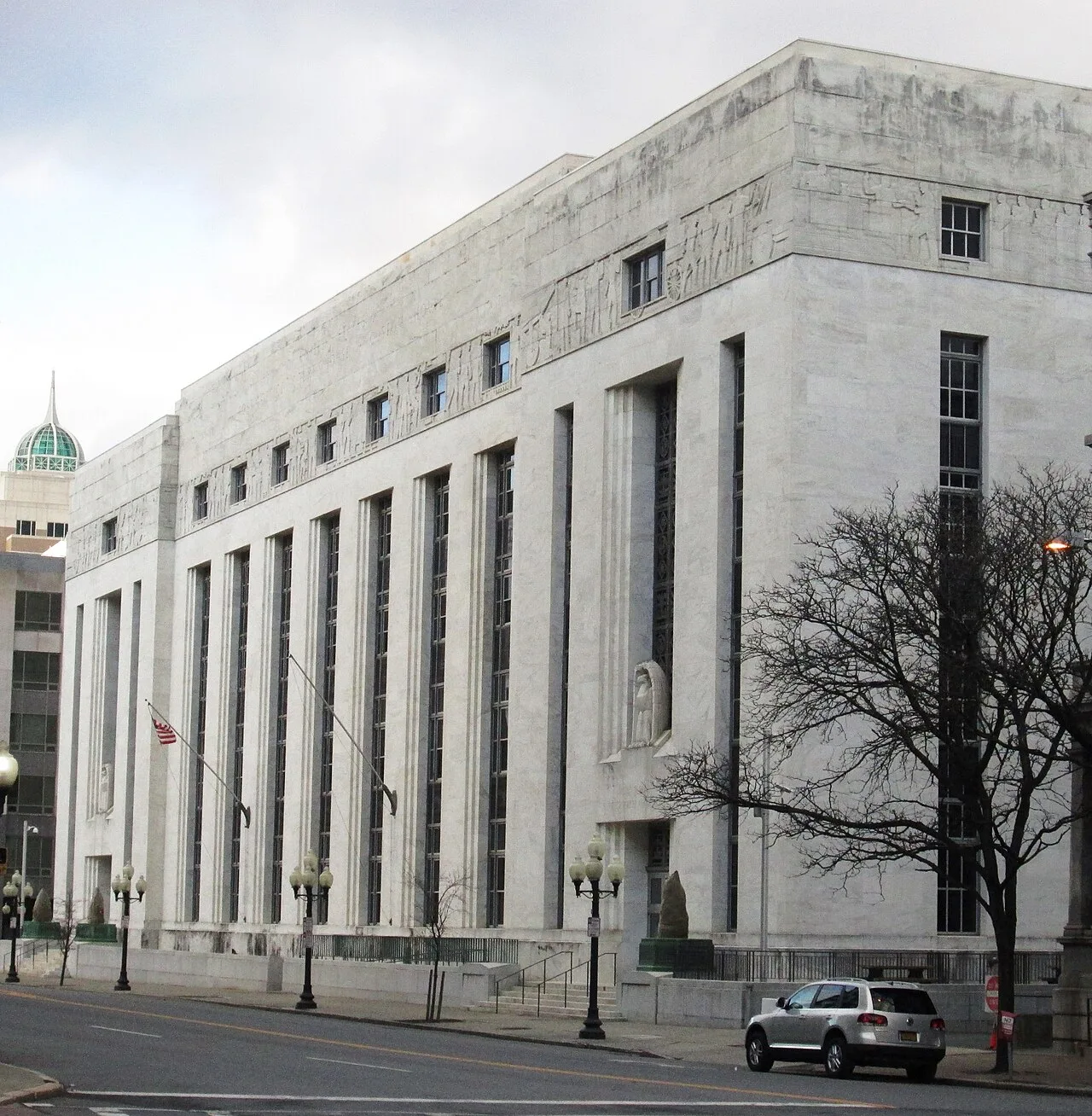
A federal judge has struck down the administration's suspension of immigrant visas for citizens of 75 countries, ruling that the policy discriminated on the basis of nationality in violation of federal immigration law.
District Judge Jeannette A. Vargas of the Southern District of New York found the measure barred consular officers from issuing visas solely because of an applicant's country of origin, overriding the individual assessments those officers are required to make.
The State Department announced earlier this year that it would stop processing immigrant visas for nationals of countries including Afghanistan, Brazil and Yemen, saying applicants from those countries were likely to need public assistance after arriving. According to the ruling, the policy blocked visas even where officers had examined an applicant and concluded they would be self-sufficient.
"In many ways, this is not a challenging case," Vargas wrote, holding that the Immigration and Nationality Act of 1952 forbids nationality-based discrimination in immigrant visa decisions. She cited a diplomatic cable instructing consulates to refuse visas to applicants already approved whose printed visas had not yet left the building — evidence, she found, that the rule operated as a blanket bar rather than a screening measure.
The decision vacates the policy and sets aside visa denials that rested on it alone, allowing affected applicants to return to individual adjudication. Vargas held that the suspension was contrary to law and exceeded the authority of Secretary of State Marco Rubio.
A State Department spokesperson said the administration remains focused on high standards for screening and vetting and declined to comment on pending litigation. When the ban was announced, the department said it would stand until officials could be sure new immigrants would not "extract wealth from the American people."
Who brought the case
The plaintiffs included immigrant legal service organizations, six U.S. citizens who had filed family-based petitions for relatives and five people who had filed employment-based petitions for themselves. Susan Welber, a supervising attorney at The Legal Aid Society, said the ban was "premised on a fiction" that people from the listed countries were likely to rely on public resources.
Anna Gallagher, executive director of the Catholic Legal Immigration Network, said the suspension had kept spouses, parents and children apart while they followed the legal process. Antionette Dozier, a senior attorney at the Western Center on Law and Poverty, said the ruling restores individual review and reaffirms that an administration cannot override statutory protections by declaring a nationality unacceptable.
The visa suspension was one piece of a wider effort to restrict both lawful and unauthorized immigration, which also included an executive order limiting birthright citizenship that the Supreme Court recently rejected as unconstitutional.
Filed under Politics