Meta Held Talks to Buy Kalshi Before Deciding to Build Its Own
The acquisition never progressed. Now the company is assembling a play-money prediction app of its own, as trading volumes across the sector approach $220 billion a month.
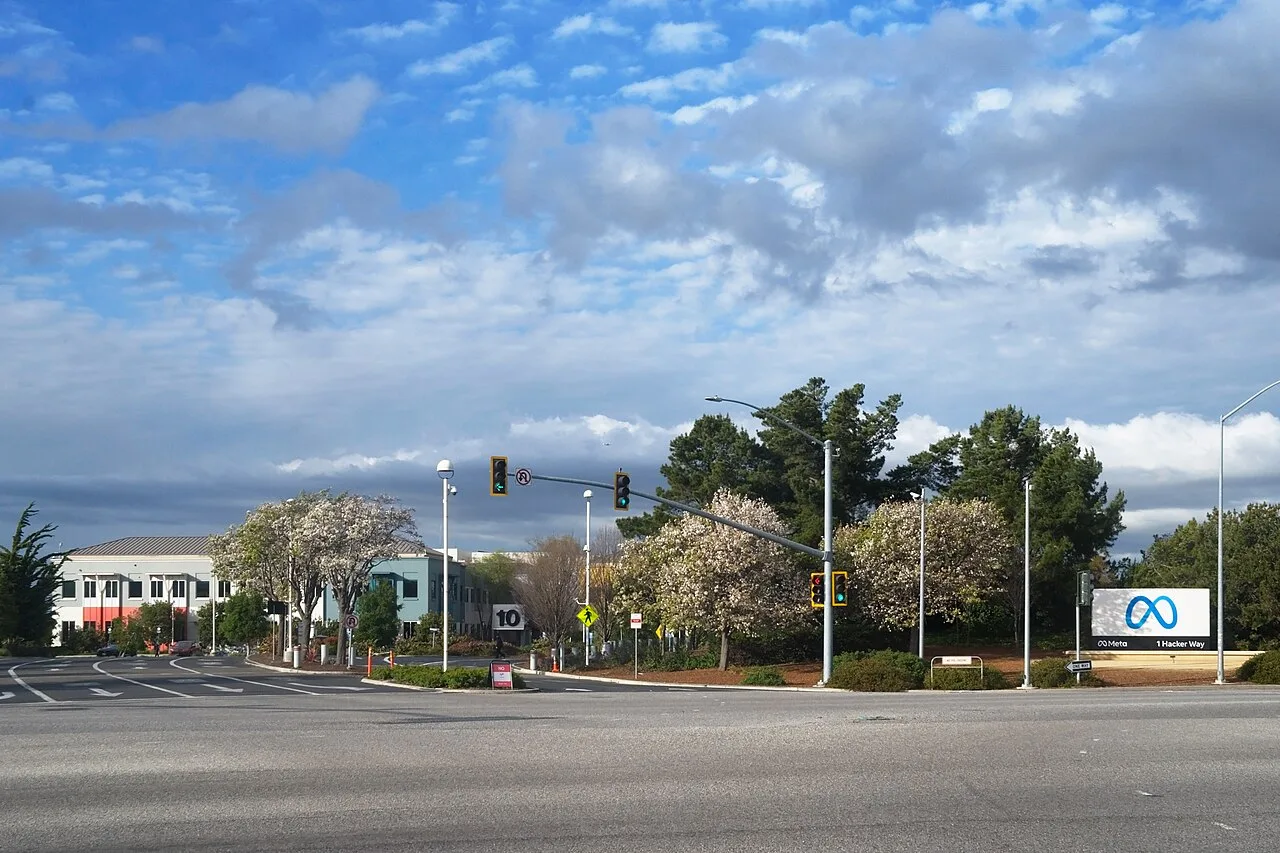
Meta explored buying Kalshi, the fastest-growing name in prediction markets, before deciding to build a competing product, according to three people familiar with the discussions who were not authorized to speak publicly.
Mark Zuckerberg met Kalshi chief executive Tarek Mansour last year to discuss an acquisition, one person with direct knowledge of the meeting said. The talks did not progress. Accounts of why differ: some say Mansour was unwilling to sell, others that Meta balked at the legal and ethical complications of the business. Neither company commented.
Meta is pressing ahead regardless. Internal documents show a team assembled to launch an app called Arena, which will let users make predictions about future events. Unlike Kalshi and Polymarket, it is designed around play money rather than real stakes, with artificial intelligence generating questions and determining whether the specified events occurred.
A sector growing fast, and drawing scrutiny
Prediction markets have surged in a permissive regulatory climate. Combined monthly volumes on Kalshi and Polymarket have risen from roughly $28 billion in June 2025 to nearly $220 billion a year later, driven largely by sports. Kalshi was valued at about $22 billion in a May funding round, up from roughly $2 billion the year before. Polymarket's private valuation stands near $10.7 billion.
Growth has attracted trouble. State gaming regulators argue the platforms amount to gambling. The Justice Department has opened two insider trading cases involving Polymarket, one alleging a special forces soldier profited from classified information about an operation to capture Venezuelan leader Nicolás Maduro, another accusing a Google employee of using confidential search data to make more than $1 million.
Meta and Kalshi did strike a partnership in March that surfaces Kalshi markets inside Threads. But the failed acquisition fits a pattern critics have long described: over the past decade Meta has grown by buying fast-growing apps, most famously Instagram and WhatsApp, and more recently the AI wearable maker Limitless and the AI social network Moltbook.
Regulators call the strategy "buy or bury." The Federal Trade Commission brought an antitrust case on that theory; a judge ruled last year that the Instagram and WhatsApp acquisitions did not violate competition law, and the agency's lawyers are appealing.
Columbia law professor Tim Wu said Meta chases emerging trends and has the advertising revenue to absorb repeated failures. A play-money app may have limited appeal, he said, but the company's resources let it experiment at a scale few rivals can match.
Filed under Business