New Bill Aims to Secure Video Game Ownership Rights
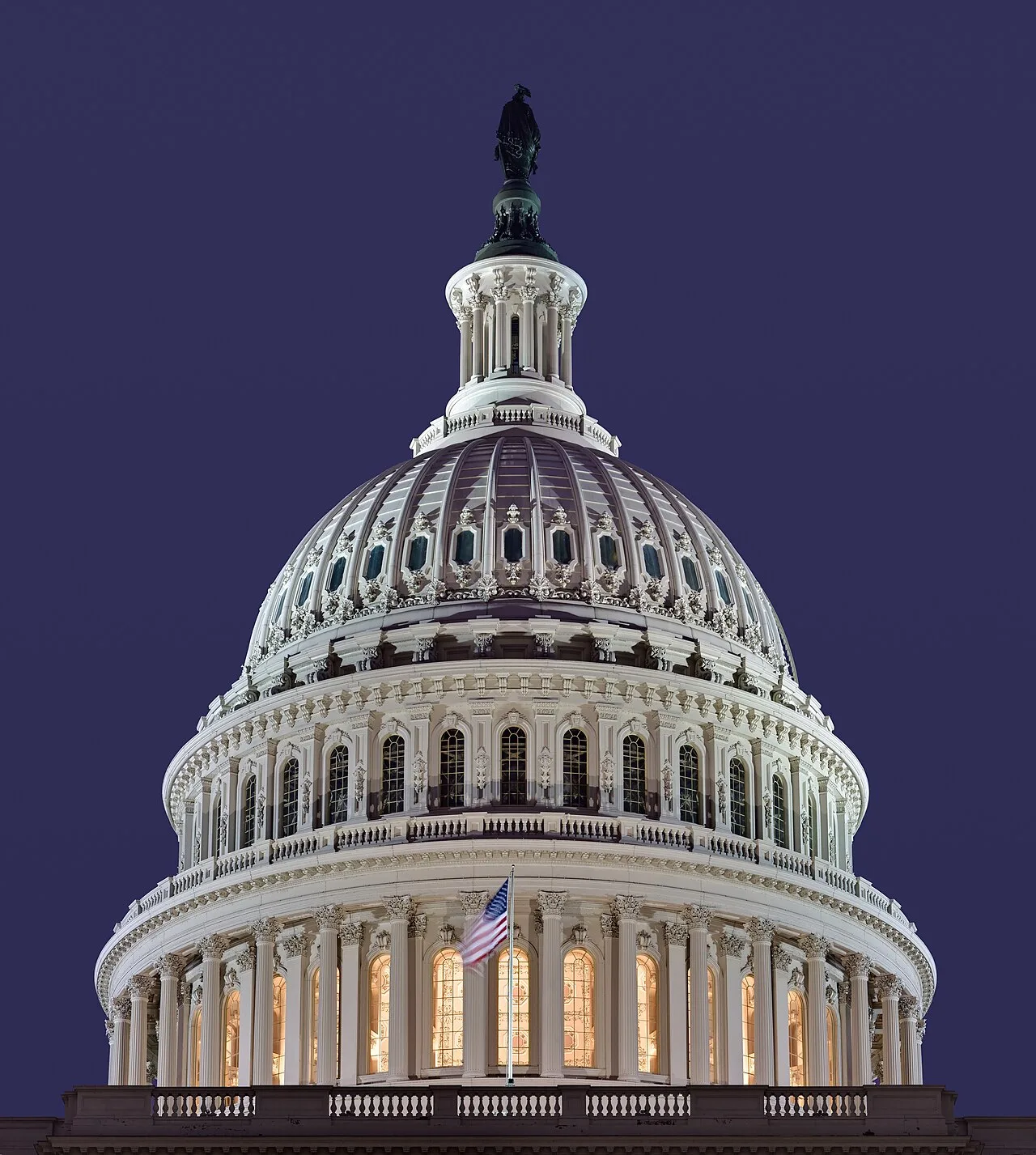
Rep. Ritchie Torres has introduced legislation to protect video game ownership in Congress, ensuring consumer rights in the digital gaming landscape.
In an effort to enhance consumer rights in the realm of digital gaming, Representative Ritchie Torres from New York's Bronx district has put forth the Power To The Players Act. This significant piece of legislation aims to ensure that when gamers purchase a video game, they gain true ownership rather than merely a license to play.
Understanding the Need for Ownership
As digital gaming becomes more widespread, a troubling trend has emerged: many games require an online connection to function. When game companies choose to disable their servers, purchased games may become unplayable. A recent example highlighted by Rep. Torres is NBA 2K25, which will be removed from online stores and have its servers shut down on December 31st. Such decisions by game developers raise concerns about the longevity and accessibility of games that consumers have paid for.
A Response to Changing Industry Trends
The conversation around game ownership has gained momentum, particularly in light of Sony's announcement earlier this year about phasing out physical game discs by 2028. Torres expressed his frustration with the industry's current practices, stating, “A game that can be taken away the moment a company pulls the plug is not a purchase. It is a rental disguised as a sale.” The Power To The Players Act seeks to reframe how ownership is viewed in the gaming world.
Key Provisions of the Power To The Players Act
This proposed legislation would establish the following key provisions:
- True Ownership: Gamers would gain full ownership of their purchased games, allowing them to play, resell, or transfer them as they choose.
- Offline Mode Requirement: Before shutting down any supporting servers, game developers would be mandated to implement an offline mode, ensuring that players can still enjoy their games without reliance on server availability.
This initiative echoes similar legislation introduced in Pennsylvania, known as the Protect Our Games Act. This state-level proposal, put forth by State Senator John Kane, requires game developers to either offer an offline gaming mode, an online mode that isn't dependent on the company's servers, or a minimum refund of 25% when they cease support for a title.
A Broader Movement for Consumer Rights
The introduction of the Power To The Players Act marks a crucial step in a broader movement advocating for consumer rights in digital entertainment. As the gaming industry evolves, gamers and lawmakers alike are increasingly aware of the implications of digital ownership and the effects of corporate decisions on the end user.
While this bill is still in its infancy, it signals a growing recognition of the need for stronger regulations to protect consumer interests. Many hope that these efforts will pave the way for enhanced rights for gamers, ensuring that their purchases retain value and functionality long after the initial sale.
The Future of Gaming Legislation
Should the Power To The Players Act gain traction, it could reshape the landscape of video game ownership, setting important precedents for how digital content is handled in the future. As this discussion progresses, gamers and industry stakeholders will undoubtedly be watching closely to see how lawmakers respond to these pressing concerns.
Filed under Politics