Record Credit Card Debt Signals Struggles as Holidays Approach
As holiday shopping kicks off, Americans face record credit card debt and changing spending habits, revealing economic strain.
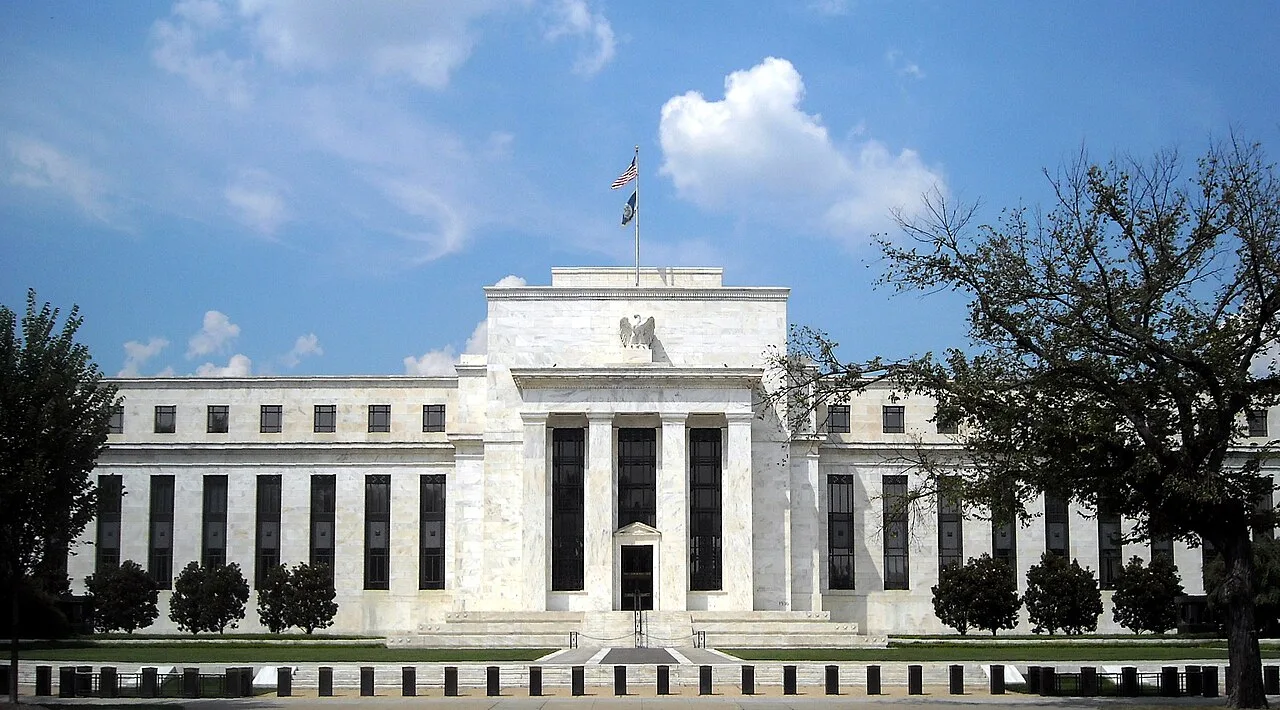
As the holiday shopping season approaches, American consumers are facing an unprecedented challenge: record-high credit card debt. Recent data reveals that total credit card balances soared to $1.29 trillion in the third quarter, marking a $22 billion increase in just three months, according to the Federal Reserve Bank of New York. This represents a staggering 67% rise compared to the early months of 2021, reflecting significant shifts in consumer behavior and economic conditions.
Consumer Finances in a Tight Spot
Many consumers are undoubtedly feeling the strain on their finances. During a recent earnings call, Kraft Heinz CEO Steve Cahillane noted that the average American is currently navigating a fragile financial landscape. The company, which produces a variety of food products, stated that it would refrain from implementing substantial price hikes to support consumers during these rocky times.
At the same time, the overall household debt—which encompasses everything from mortgages to student and auto loans—also saw a significant rise, climbing by $334 billion in the last quarter to reach a total of $19.1 trillion. This amount is $5 trillion higher than pre-pandemic figures.
Inflation and Spending Patterns
Rising prices have directly impacted consumer spending. Following a recent election that spotlighted the high cost of living, many Americans are now reporting depleted savings and are increasingly reliant on credit. Ted Rossman, a principal consumer finance analyst, mentioned that last week’s election reflected widespread frustration with soaring prices that have surged by an average of 30% since 2019.
According to the data, savings rates have dipped below 4% of total income—an alarming decline from the levels observed before the pandemic. Rossman emphasized, “Household budgets are facing a breaking point,” highlighting a significant increase in people signing up for debt management plans.
This financial strain is beginning to show in consumer spending patterns. A collaborative monthly index from CNBC and the National Retail Federation revealed that retail sales growth to date is the slowest in nearly a year, up only 0.2% last month. NRF President Matthew Shay pointed out this figure could have been even weaker if not for Halloween festivities and early holiday discounts.
Economic Pressures and Consumer Behavior
Data also indicates that growth in disposable personal income, when adjusted for inflation, rose by less than 1% in September, the weakest result since April. Additionally, the inflation rate has been problematic, with recent trends suggesting overall growth of the consumer price index has frequently exceeded the Federal Reserve's comfort level of 2%.
Despite a noticeable dip in gas prices following recent political developments, experts are cautious about expecting a return to pre-war pricing due to significant disruptions in global oil supplies. Consequently, many families remain vulnerable financially. Even those keeping up with regular bills might fall into credit card debt due to unexpected expenses like medical bills or car repairs, which Rossman noted are oftentimes common triggers for rising debt levels.
The Job Market and Consumer Outlook
On a more positive note, the labor market remains relatively stable, providing some support for consumer spending. Recent employment growth has shown signs of stabilization, with an average increase of 137,000 jobs over the past three months, a stark contrast to average losses noted during similar periods in past years.
Kathy Bostjancic, chief economist at Nationwide, indicated that as long as overall employment remains stable, consumer spending is less likely to plummet. With decreased gas prices, consumers might begin to feel some breathing room, although stagnant wage growth suggests a reluctance among employers to raise salaries significantly at this time.
Additionally, the number of long-term unemployed individuals continues to rise, with nearly 2 million Americans out of work for six months or more—accounting for 27.6% of all unemployed citizens, the highest since late 2021.
Consumer behavior is quite varied, as businesses provide insights into the shopping habits of their customers. Executives from Reynolds Consumer Products reported that households are seeking discounts and bulk purchases as budgets tighten. Conversely, Bloomin' Brands, the parent company of Outback Steakhouse, noted that dining out remains an affordable luxury for some consumers, suggesting resilience amid caution.
However, even major fast-food chains like McDonald’s report challenges in attracting customers despite enticing promotions such as $5 and $6 meals. CEO Chris Kempczinski acknowledged that the chain's U.S. same-store sales experienced a slight decline, partly due to the strain on low-income consumers seeking more attainable meal options.
As these economic pressures mount, it will be critical for individuals to navigate their spending carefully during the upcoming holiday season.
Filed under Business