A Record Cyclospora Outbreak Meets a Thinner Food-Safety System
More than 15,700 confirmed cases, and the state and local staff who trace them say they no longer have the people to do the interviews.
Bob Custard spent four decades working with local governments on clean water, rabies prevention and food safety. He now consults, and presides over the West Virginia Association of Sanitarians, and he says the state programs meant to trace foodborne illness no longer have the staff to do it.
With a record cyclosporiasis outbreak concentrated in nearby states, he warned that health departments cannot keep up with the interviews and investigations required to find the source. "It's like we have a house, and we decided to take smoke detectors out," Custard said.
Susan Mayne, an epidemiologist who ran the FDA's Center for Food Safety and Applied Nutrition until three years ago, said the federal response to the outbreak, which began in May, has been slow and shows how fractured the national system has become. Teams that once coordinated public-awareness campaigns and international crisis response were eliminated in last year's cuts, she said, damaging working relationships with regulators in other countries.
The outbreak
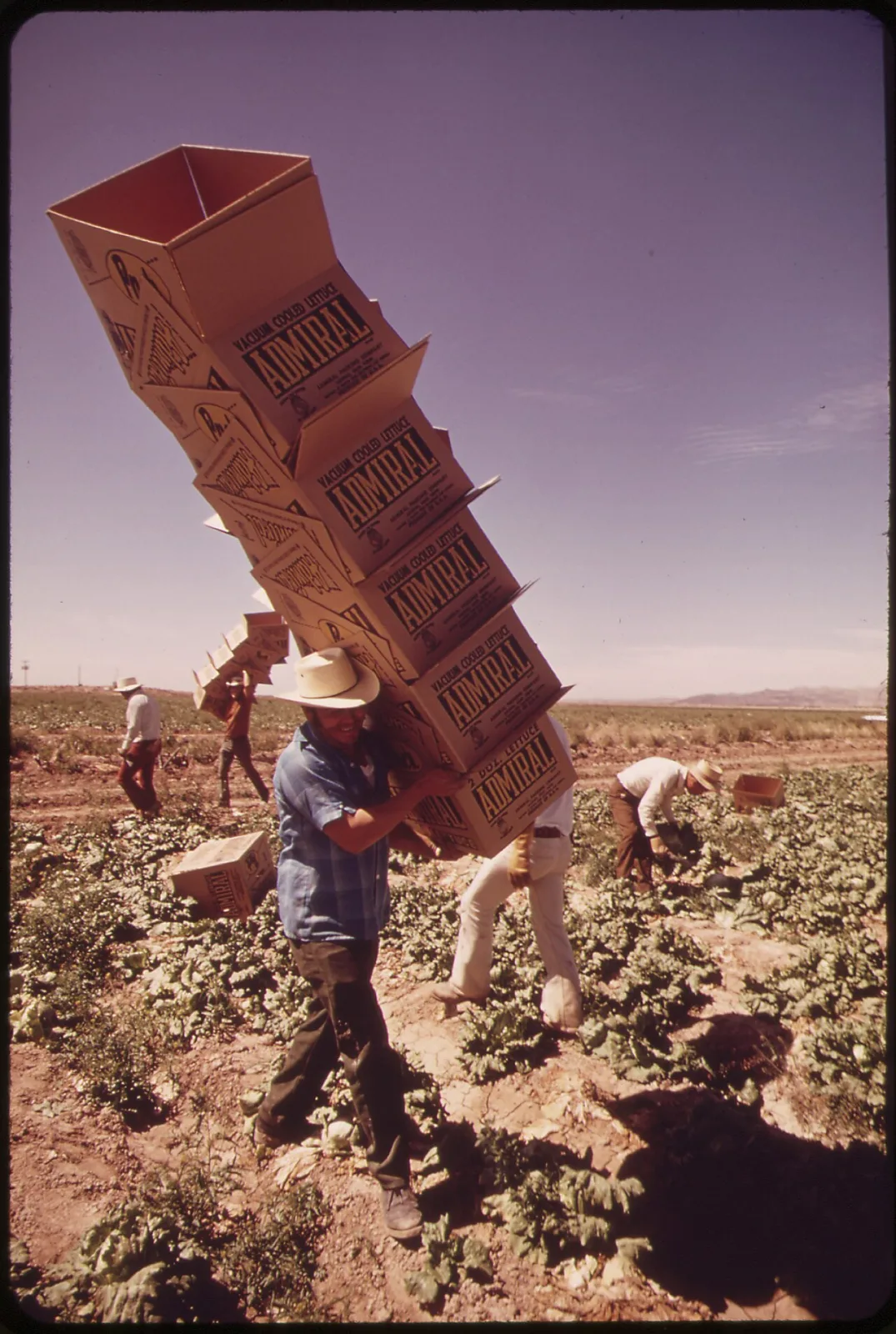
The cases have been linked mostly to contaminated iceberg lettuce grown in Mexico. The Centers for Disease Control and Prevention has confirmed more than 15,700 infections. Food-safety specialists say the reductions in staff and funding across local health departments, state agencies and federal laboratories are slowing the practical work of identifying sources and tracing supplies.
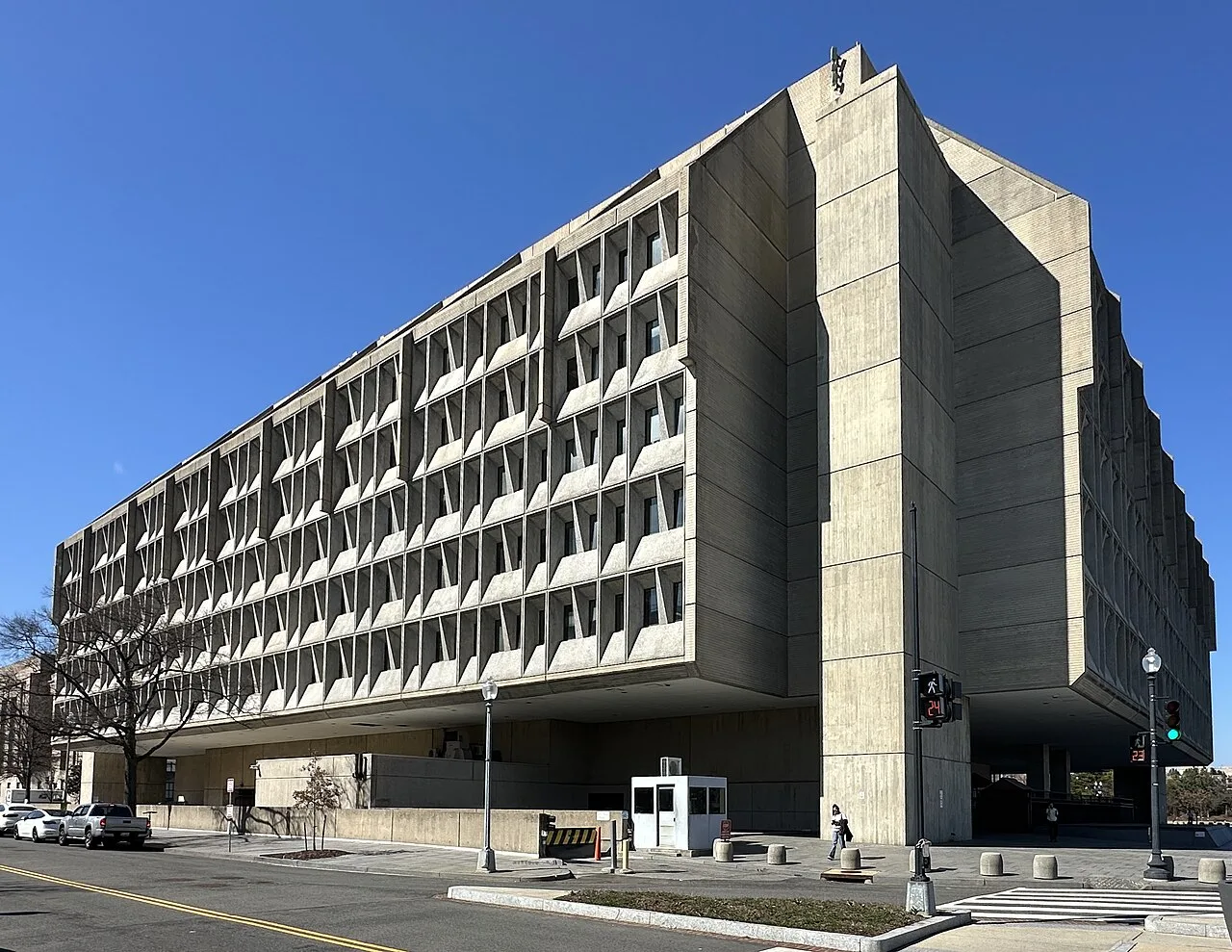
The Department of Health and Human Services said staff in the Human Foods Program who work with foreign regulators have been reinstated. The FDA said it continues to work with federal, state and international partners and deploys people where they have the greatest public-health impact.
What the states have left
Most state outbreak work depends on CDC and FDA grants, and last year those were cut sharply — CDC grants alone fell about 40%, roughly $5.8 billion as of May. Kentucky reports food-safety staffing down 30% to 50%. Ohio says its response is unaffected. Michigan, which has the highest caseload, fought grant cuts in court and says surveillance and investigations continue for now.
In West Virginia, counties that once employed four full-time sanitarians are down to two, and some have lost their only foodborne-illness epidemiologist. Roughly half the state's food-safety positions are vacant. Low pay prompted lawmakers to lower the educational requirement for sanitarians from a four-year degree to a two-year associate's degree, a change Custard said weakens the scientific footing of a demanding job.
Those local gaps travel upward. If local reporting falters, state data are incomplete and national surveillance suffers. Sarah Sorscher, director of regulatory affairs at the Center for Science in the Public Interest, said the delays and thin information during outbreaks are symptoms of a broader crisis, and that public confusion about what is safe to eat is itself a cost.
Laboratory capacity has eroded too. Dan Jernigan, who until recently led the CDC's National Center for Emerging and Zoonotic Infectious Diseases, described labs that once helped clinicians identify and sequence pathogens now triaging, taking only the largest multi-state outbreaks. HHS said the CDC laboratory supporting the Cyclospora response was not affected by staffing reductions.
Jernigan also noted that the CDC last year removed Cyclospora and five other pathogens from FoodNet, the surveillance program that tracked whether foodborne illness was rising or falling. Mayne pointed to a delayed traceability rule that would require batch-level identifiers on produce, allowing contamination to be traced to a field within 24 hours. Had it been in force this year, she said, the contaminated lettuce might have been found sooner.
Filed under Health