Six Months On, Navy Families Evacuated From Bahrain Are Still Waiting
About 1,300 dependents left in March expecting a short displacement. Many are now on their eighth move, with school starting and no decision in sight.
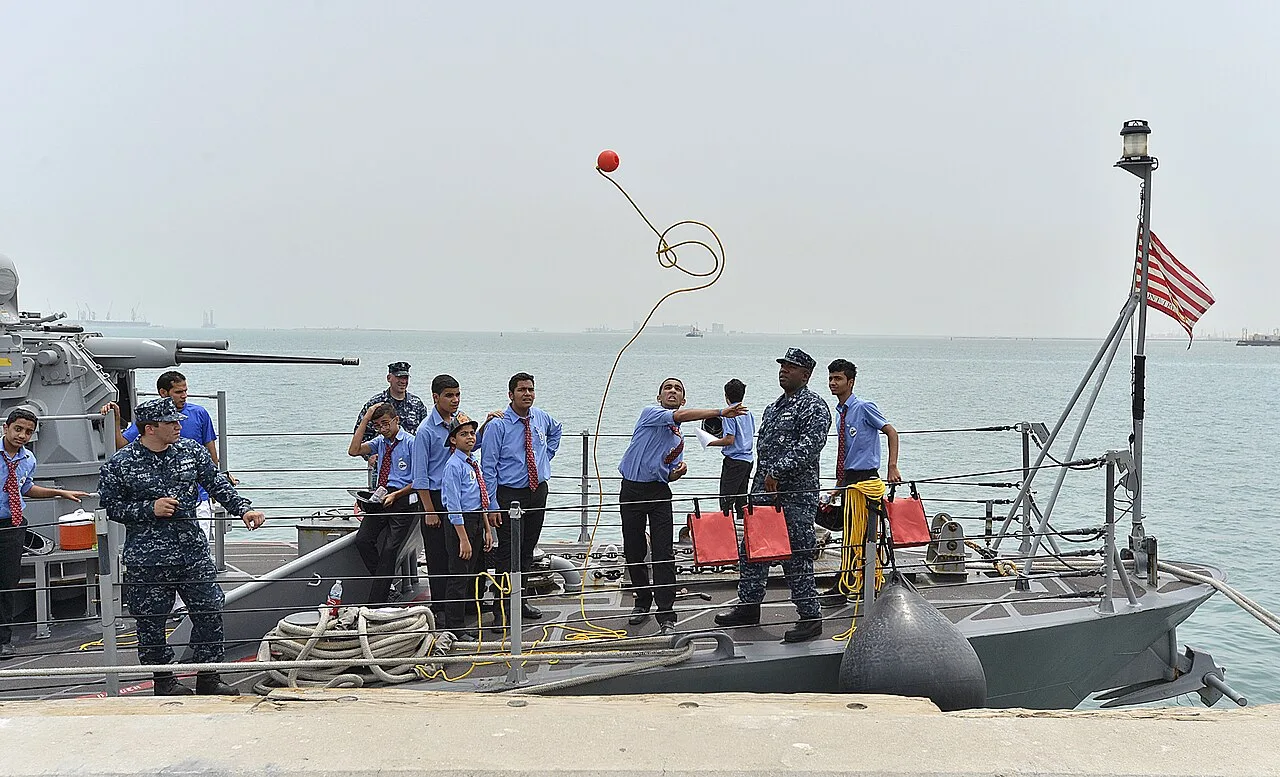
Six months after an ordered departure emptied the U.S. Navy's Bahrain community in a matter of days, hundreds of families remain scattered, uncertain and paying for the gap out of their own pockets.
At a virtual town hall attended by roughly 580 people, Navy leaders fielded questions from spouses and dependents and left many of them without answers. Vice Adm. Curt Renshaw, who commands the Fifth Fleet, told families the service had expected a short interruption, similar to a previous 12-day conflict, when the State Department and the military ordered dependents out on March 2. Six months on, he acknowledged the Navy is improvising, and said decisions have been deferred to avoid foreclosing a return.
About 1,300 dependents left the Fifth Fleet's headquarters, most of their belongings behind them. They dispersed to hotels and short-term rentals across the United States and overseas. One spouse with two young children said she is on her eighth move in less than half a year. Families are absorbing the costs of housing, childcare and transport, and most still have not received the personal effects shipped out of Bahrain. Some have bought second cars and replaced entire wardrobes.
A deadline approaching
State Department rules cap authorized and ordered departures at 180 days. With that limit close, diplomats and the Pentagon are working out the appropriate posture for the U.S. Embassy in Bahrain. The Navy has asked families to choose a more permanent residence while leaders decide what happens to personnel assigned there; those who do would become eligible for a housing allowance on the same footing as other military families.
The rules on pay and allowances differ across the Navy, Defense Department civilian programs and the State Department, which has left families unsure what they are entitled to. Officials also conceded that some of the friction is simply age: rental car reimbursement caps have not been updated since the 1990s.
Naval Support Activity Bahrain, a major supply hub for the fleet, is operating under constraint because of the risk of attack from nearby Iran. That has limited naval operations and contributed to an extended maritime blockade tying up at least two aircraft carriers.
Mark Cancian, a retired Marine and analyst at the Center for Strategic and International Studies, said the conflict may permanently change how the United States runs bases in the region, and that he does not expect many of these families to return to Bahrain in the foreseeable future.
What spouses asked for at the town hall was narrower than a policy: a date. Without one, they are choosing between waiting on a return with no timeline and building a settled life somewhere else while covering the difference themselves.
Filed under World