SpaceX Plans Historic Catch of Starship and Booster Next Month
Elon Musk announced SpaceX's upcoming attempt to catch the Starship and its booster, aiming for a full recovery of the launch system.
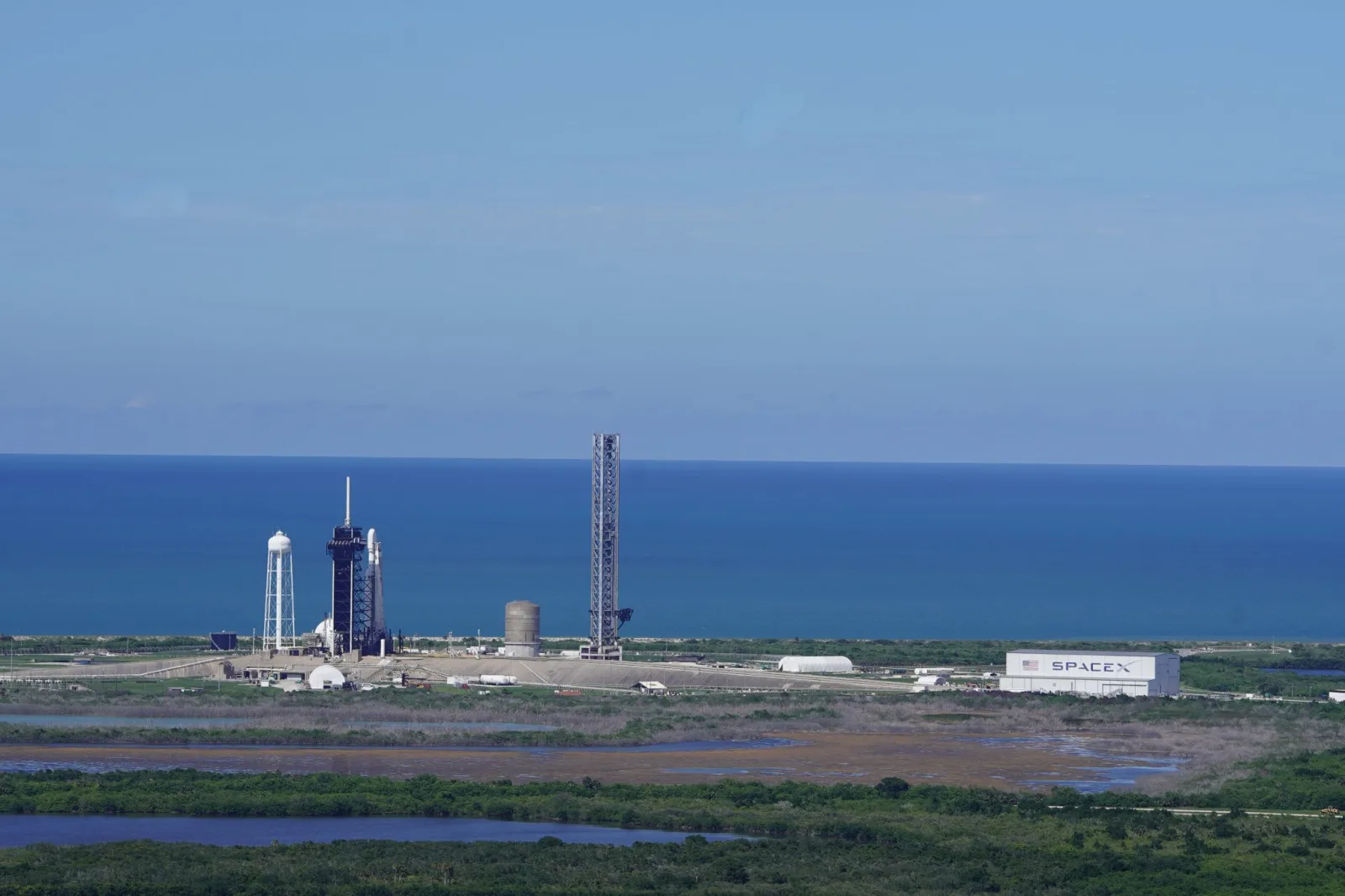
In a bold move that could reshape space travel, Elon Musk, the CEO of SpaceX, recently revealed plans for an unprecedented attempt to capture both the Starship and its Super Heavy booster during an upcoming flight. Scheduled for next month, this endeavor aims to fully recover the orbital launch system for the very first time.
A Historic Milestone in Space Exploration
Musk described this attempt as a "profound technology milestone in the history of civilization consciousness" during SpaceX's earnings report for the third quarter. Achieving a complete retrieval of an orbital launch vehicle would set a remarkable precedent in the aerospace industry.
Challenges and Expectations
While the ambition is high, Musk emphasized that success cannot be guaranteed on initial flights. He stated, "Success is not guaranteed on these first flights, but I’d say it’s more likely than not that this succeeds next flight." Should the upcoming attempt not meet with success, Musk assured that SpaceX has a series of Starship launches planned through the end of the year and into the next, indicating a commitment to continual improvement and testing.
The Design of Starship
Starship comprises two primary stages: the Super Heavy booster, which acts as the first stage, and the Starship spacecraft itself, which serves as the second stage. Standing at roughly 120 meters (about 400 feet) tall and measuring 9 meters in diameter, Starship is powered by advanced Raptor engines designed to run on liquid methane and liquid oxygen. Originally introduced in 2018, the spacecraft is engineered to return to its launch site, where mechanical arms known as “chopsticks” aim to catch it mid-flight.
Recent Launch Highlights
The recent Starship launch was marked by significant achievements, including the spacecraft's successful entry into Earth orbit and the deployment of several of SpaceX's larger V3 satellites into the Starlink constellation. However, the mission encountered a few complications—one of the Raptor engines shut down prematurely, forcing mission control to adapt and complete the ascent using the remaining engines. Consequently, the planned duration of 10 hours and 6 orbits was cut short to approximately 3 hours and only 2 orbits.
The Super Heavy booster made its descent into the Gulf of Mexico, while the Starship upper stage performed a de-orbit burn for a fiery splashdown in the Pacific Ocean, north of Hawaii. Unfortunately, neither component was retrieved.
As SpaceX prepares for this historic first-attempt recovery, the excitement in the space exploration community continues to build. This venture could lead to a new era of reusable launch systems, ultimately making space travel more sustainable and accessible.
Stay tuned for updates as this groundbreaking mission approaches.
Filed under Science