Supreme Court Clears Path for Border Wall Construction in Texas
The Supreme Court has permitted President Trump to continue building the border wall in Texas, despite legal challenges from environmental groups.
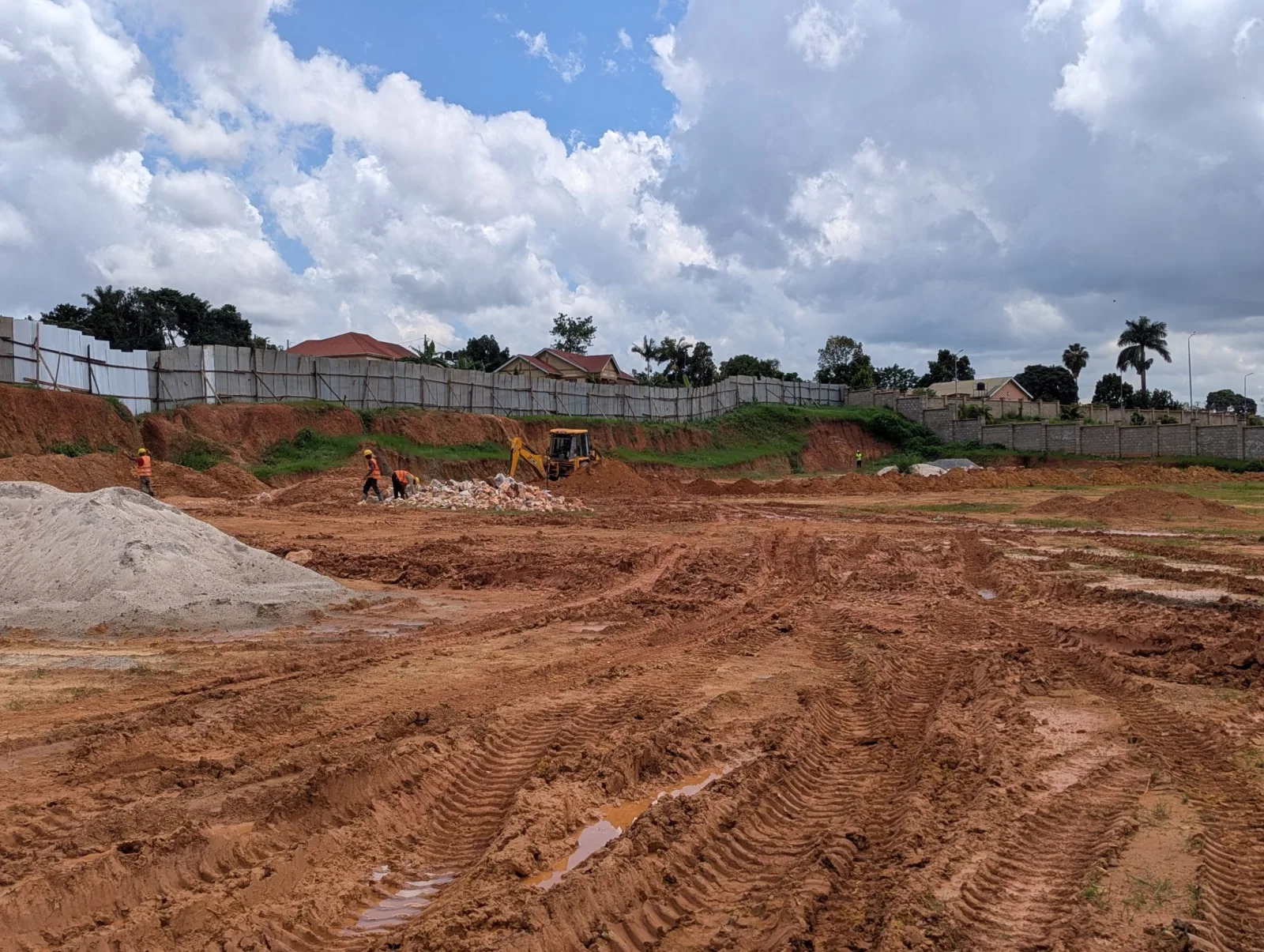
In a significant ruling, the Supreme Court has allowed President Donald Trump to proceed with the construction of the border wall in the Big Bend region of Texas. This decision comes amidst ongoing legal disputes raised by local communities and environmental groups who argue that such construction threatens the environment and important historical sites.
Legal Challenges and Court Decisions
A federal judge had previously imposed an injunction halting construction due to the ongoing litigation. However, the Supreme Court overturned this, stating that the lower court judge overstepped her authority. In an unsigned five-page ruling, the justices expressed confidence that the Trump administration was “extremely likely to prevail” in ongoing legal matters regarding this construction.
The government has emphasized that it maintains “compelling interests” relating to national security and border safety when pursuing its policies. Only Justice Ketanji Brown Jackson dissented among the nine justices.
Context and Scope of the Construction
The proposed border wall section lies adjacent to the Rio Grande and is characterized by a sparse population. Over the past few years, around 89,000 individuals have been apprehended trying to enter the U.S. in this region. The planned construction would stretch approximately 341 miles and intersects Big Bend National Park, a notable area for its unique ecological and cultural heritage.
The ongoing legal dispute centers around waivers issued by the then-Homeland Security Secretary Kristi Noem, which allowed the government to bypass certain environmental and conservation laws. Her successor, Markwayne Mullin, also issued similar waivers later on. Solicitor General D. John Sauer argued in court that in 1996, Congress granted extensive authority to the government to construct border infrastructure, enabling them to navigate through bureaucratic hurdles.
Opposition and Concerns
The construction is being contested by various parties, including the Center for Biological Diversity and Friends of the Ruidosa Church, as well as local resident Danny Miller, who is concerned about the impacts on his property and the surrounding landscape. The challengers assert that moving forward with this project could cause irreparable changes to the land and risk unique historical and cultural resources.
Contrary to the government’s claims, these opponents argue that the Big Bend area actually has the lowest rates of migrant apprehension along the entire southern border, suggesting that the urgency for construction might be overstated.
Impact and Future Prospects
In early October, U.S. District Judge Kathleen Cardone determined that Secretary Noem did not possess the authority to issue such waivers, subsequently leading the administration to seek intervention from the Supreme Court, which ultimately sided with them. President Trump’s commitment to build a wall on the U.S.-Mexico border has been integral to his immigration policy since his initial campaign in 2016, focusing heavily on border security and enforcement against illegal immigration.
Government officials have raised alarms that if the wall is constructed in other regions but leaves the Big Bend area unguarded, it may become a target for unauthorized crossings. With funds allocated from a Republican-controlled Congress, the administration is pressing forward with plans for a comprehensive 2,000-mile wall installation that includes steel panels, vehicular barriers, and state-of-the-art surveillance technology.
Filed under Politics








