Trump Pledges $5,000 Checks for Every Adult If Republicans Hold Congress
The promise, made at the GOP's midterm convention in Dallas, would cost roughly $1.2 trillion and has drawn doubts from fiscal conservatives in his own party.

President Donald Trump told Republicans gathered in Dallas on Wednesday night that every adult U.S. citizen would receive a $5,000 payment if the party keeps control of both the House and the Senate in November, a campaign promise that budget experts and some Republican lawmakers quickly questioned.
The pledge, delivered at the American Airlines Center during the Republican National Committee's first midterm convention, would cost roughly $1.2 trillion if paid to the approximately 240 million adult citizens in the country. Trump called the money a "dividend," saying it would work "very much like a successful company will do a cash distribution to its shareholders."
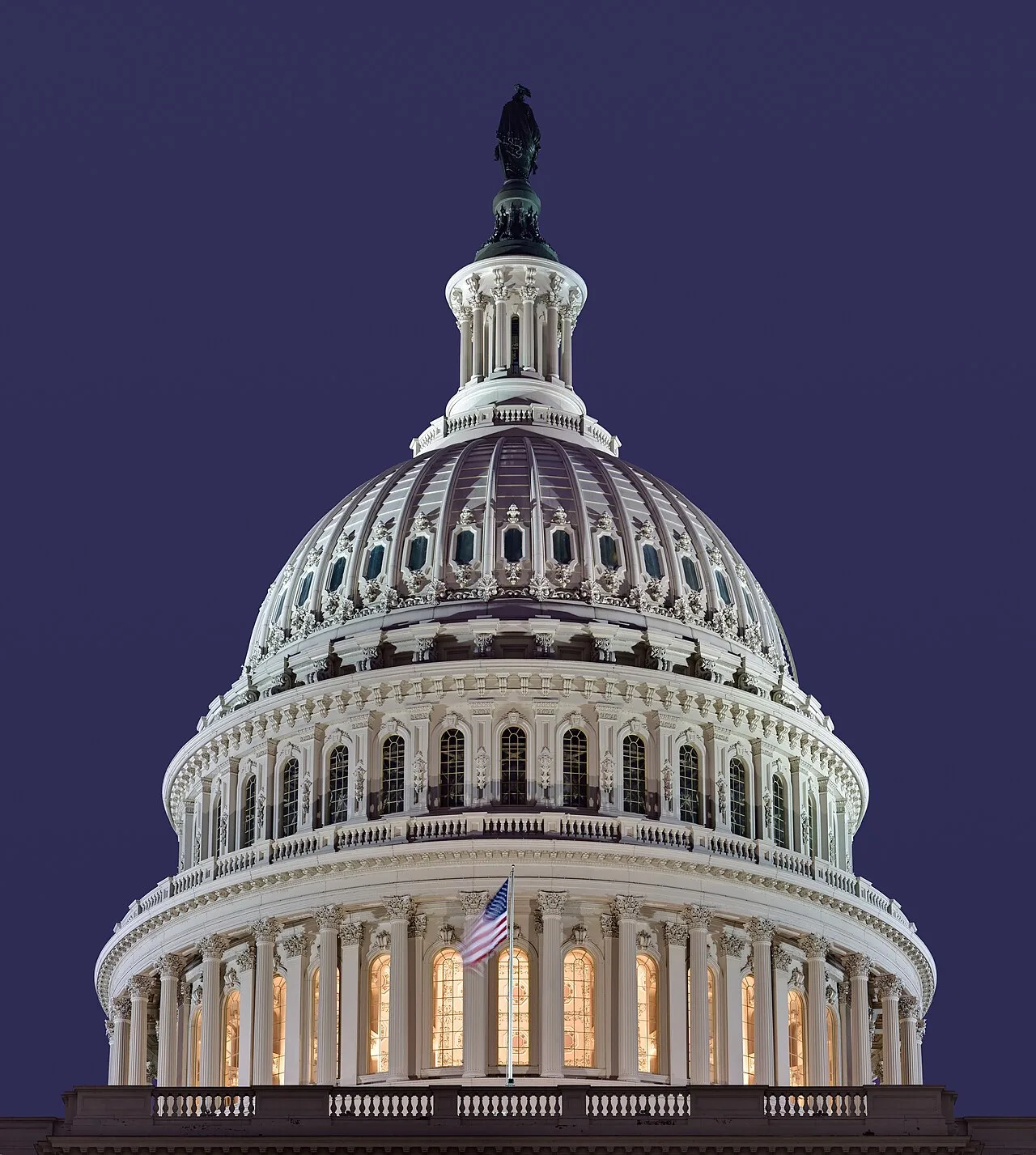
The offer puts a specific price tag at the center of the midterm campaign. It arrives as Republicans defend narrow majorities in both chambers, where a small Democratic gain in either would hand the party a check on the White House for the final two years of Trump's term.
How it would work, and who would pay
Trump offered few details. He attributed the money to what he called the country's tremendous economic success and to tariffs, and said recipients would be required to spend it inside the United States. He did not explain how that condition would be enforced.
Vice President JD Vance, who delivered a keynote address during the two-day gathering, pointed to tariff revenue as the funding source and suggested that wealthy Americans would not qualify. Import duties, however, bring in only a fraction of the cost. A single round of payments would swallow years of tariff collections, and a large share of this year's revenue has already gone back to companies as refunds after the Supreme Court found some of the levies unlawful.
In an interview on Thursday, Trump said he did not believe Congress would need to approve the payments. Asked whether lawmakers had to sign off, he answered, "We think not." The Constitution gives Congress the power over federal spending, and a payment program on this scale would ordinarily require legislation.
Pushback inside the GOP
The criticism was not limited to Democrats. Rep. Chip Roy of Texas, one of the House's leading fiscal hawks, questioned how the government could pay for a program costing well over $1 trillion. Marc Short, who served as Trump's legislative director in his first term, said the plan marked a further break from fiscal responsibility and conservative economics. Former Rep. Marjorie Taylor Greene, who has become a Trump critic, mocked the offer online as a payment conditional on voting Republican.
Other Republicans embraced it. Sen. Bernie Moreno of Ohio said he would prepare legislation to deliver the payments after the election, and Sen. Roger Marshall of Kansas asked voters how they would spend the money. The Democratic National Committee dismissed the pledge as another empty promise.
Budget watchdogs were blunt. Maya MacGuineas, president of the Committee for a Responsible Federal Budget, questioned why anyone would borrow another $1.2 trillion to send cash to every household. Erica York of the Tax Foundation warned that the idea made little sense at a time when financial markets are already uneasy about federal deficits. By one estimate, the payments would push the annual deficit from about $1.8 trillion toward $3 trillion.
An echo of an earlier promise
This is not the first time Trump has floated direct checks tied to his trade agenda. Last year he promised tariff dividends of at least $2,000 a person for most Americans. Those payments were never sent to taxpayers.
Economists also point to the pandemic, when several rounds of federal relief checks helped drive consumer prices to a 40-year high in June 2022. Research from the Federal Reserve Bank of St. Louis has linked that stimulus to a measurable increase in inflation, a risk critics say would return with another large, untargeted cash transfer.
Trump used the same appearance to predict that the war with Iran would be over very shortly after the election, tying two of the campaign's biggest questions to the outcome on Nov. 3.
What happens next
Nothing changes before the election. The payments depend first on Republicans holding both the House and the Senate, and then on a bill clearing Congress, where most legislation needs 60 votes in the Senate unless leaders use the budget reconciliation process. In the meantime, Democrats are expected to press Republican candidates in competitive races on whether they support the plan and how they would pay for it.
Image: Michael Barera via Wikimedia Commons, CC BY-SA 4.0
Filed under Politics