Wholesale Prices Jump 5.4% in August as Diesel Costs Surge, Raising Fed Hike Odds
Energy drove the producer price index up 0.4% in a single month, and traders now see roughly a 70% chance the Fed raises rates next week.

Prices charged by American producers rose faster than expected in August, driven by a spike in fuel costs, the Labor Department said Thursday. The report added to pressure on the Federal Reserve to raise interest rates at its meeting next week.
The producer price index for final demand rose 0.4% from July and was 5.4% higher than a year earlier, up from an annual rate of 4.8% the month before. In July the index had edged up just 0.1%.
Producer prices track what businesses charge one another before goods and services reach consumers. A sustained rise tends to show up later at checkout counters, in freight bills and in service contracts. It also tells the Fed whether the energy shock from the Middle East conflict is spreading through the wider economy.
Energy did the damage
Wholesale energy prices jumped 4.2% in August alone and were up 24.4% from a year earlier. Diesel was the standout: its price rose 24.1% in a single month and accounted for more than a third of the increase in goods prices.
Goods prices overall climbed 1.1% for the month and 7.7% over the year. Food prices rose only 0.1%.
Services, which make up the larger share of the index, were calmer. They rose 0.1% in August and 4.5% from a year earlier.
The underlying trend
Excluding food and energy, producer prices rose 0.2% on the month and 4.6% on the year. A narrower core measure that also strips out trade services, which reflect the margins of wholesalers and retailers, rose 0.3% and 4.7%.
Those readings are milder than the headline but still far above what the Fed considers consistent with its 2% inflation goal. They suggest higher fuel and transport costs are working their way into a broader range of prices rather than staying confined to the pump.
- Headline PPI: up 0.4% from July, up 5.4% from a year earlier
- Energy: up 4.2% on the month, 24.4% on the year
- Diesel: up 24.1% in August
- Core (excluding food and energy): up 0.2% and 4.6%
- Services: up 0.1% and 4.5%
Pressure on the Fed
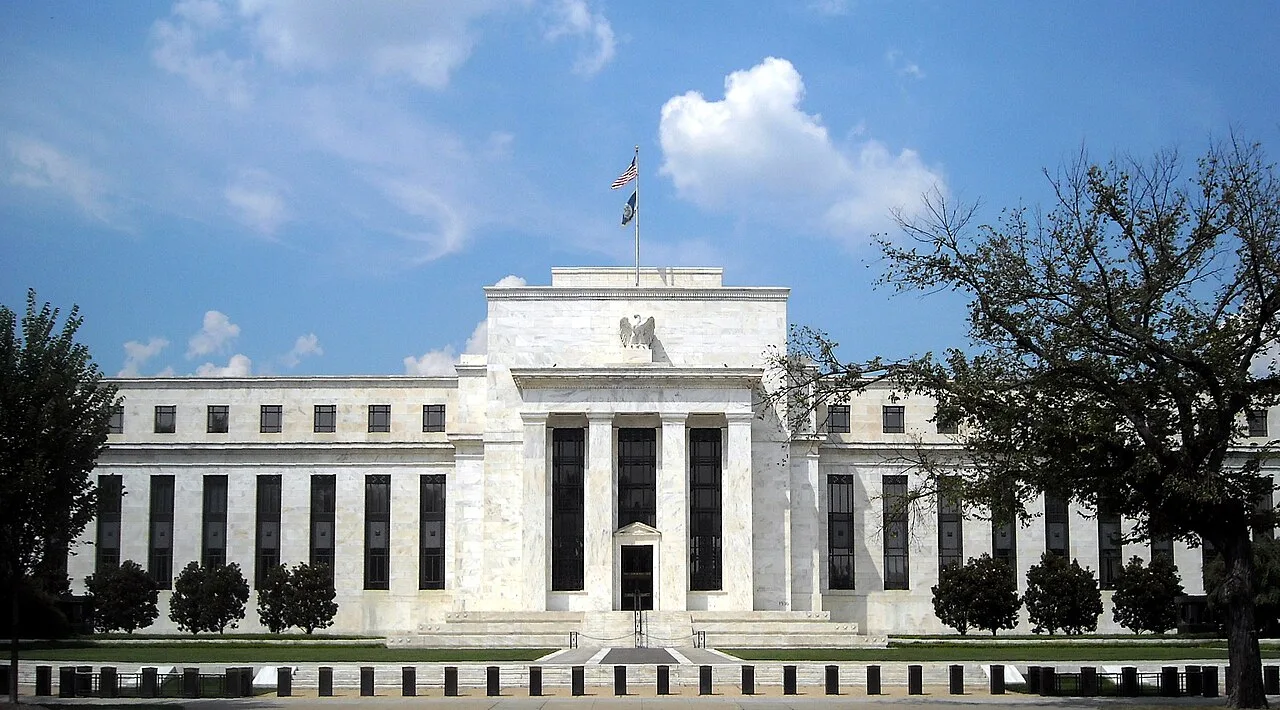
The report landed less than a week before the Fed's Sept. 15-16 policy meeting. Traders quickly raised the odds of a quarter-point rate increase, with market pricing implying a roughly 71% chance, up from about 61% before the release. Treasury yields moved higher as investors adjusted.
The data follow a stronger-than-expected jobs report for August, which showed employers adding 162,000 positions while the unemployment rate held at 4.1%. A labor market that solid gives policymakers less reason to fear that a hike would push the economy into a downturn.
Fed Chair Kevin Warsh has already suggested that more tightening may be needed if inflation does not cool. Across the Atlantic, the European Central Bank raised its own rates on Thursday, pointing to the same energy-driven price pressures.
What happens next
The next major test comes Friday morning, when the government releases the consumer price index for August. Economists expect consumer prices to have risen about 0.4% on the month.
A hot consumer reading on top of Thursday's producer numbers would make a hike next week very likely. A softer one would give the Fed more room to wait. Either way, with fuel prices still climbing, few forecasters expect inflation pressure to fade quickly.
Image: The Bushranger via Wikimedia Commons, CC BY-SA 4.0
Filed under Business