White House replaces cybersecurity chief after tech outages raise alarm
A series of major system outages triggers concern over U.S. digital defenses as President Trump names a new cybersecurity director.
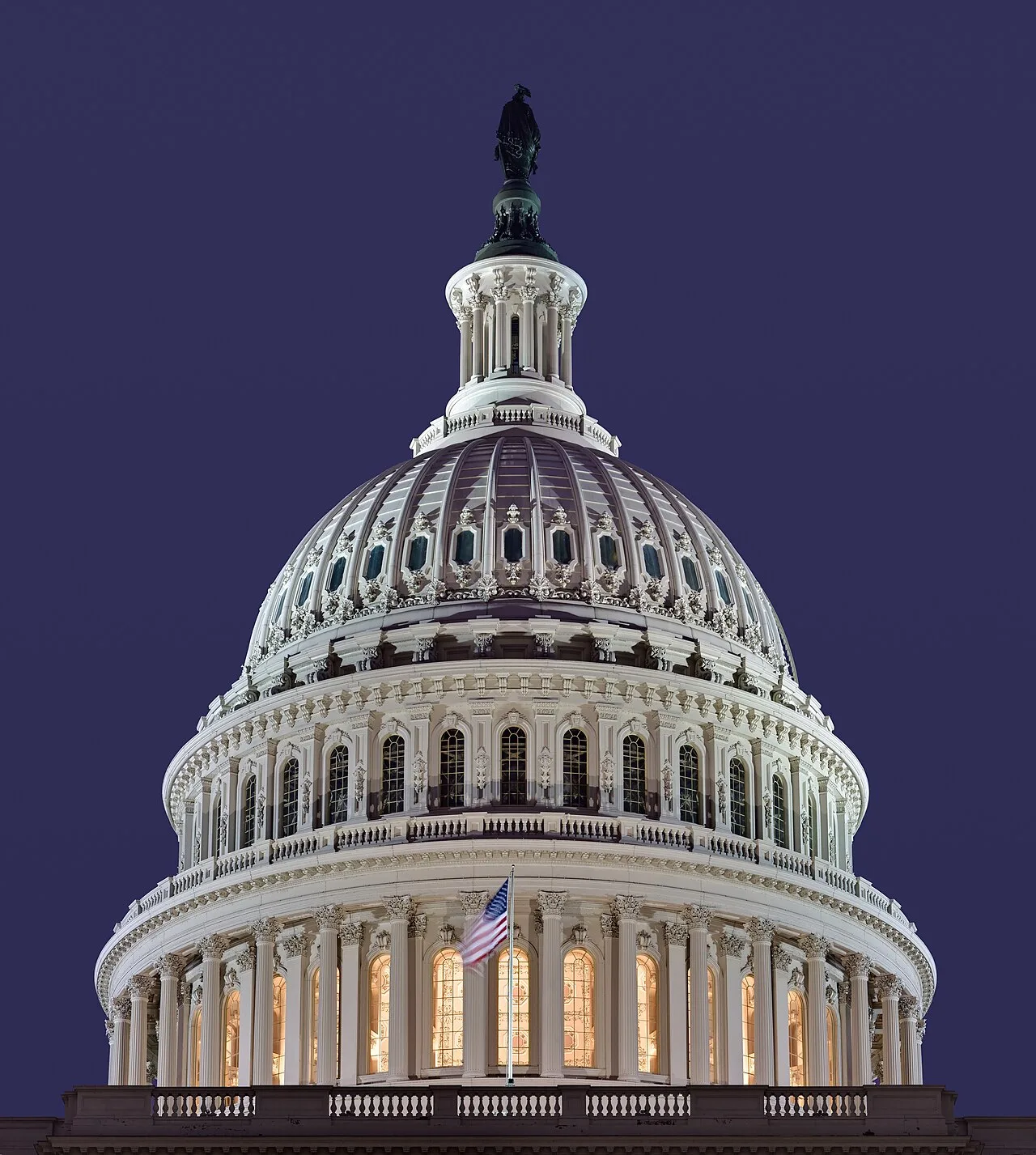
President Trump has removed the nation’s top cybersecurity official after several high-profile technology outages hit American companies and government agencies. The White House says Kirsten Davies, a former Pentagon cybersecurity chief, will now take the lead on defending U.S. digital systems.
Disruptions in the last two weeks have affected millions. Microsoft users lost access to email, a technical glitch at the FAA led to a nationwide flight stoppage, J.P. Morgan Chase experienced interrupted customer transactions, and the National Security Agency’s internal communications went down temporarily. Officials insist these were not the result of malicious attacks but stemmed from organizations racing to patch new software bugs.
AI tools and the race to spot bugs
Chris Krebs, who previously ran the Cybersecurity and Infrastructure Security Agency, said the recent spate of outages shows how quickly problems in one system can ripple across networks. According to Krebs, the background story is about a new wave of artificial intelligence models being used to detect vulnerabilities in software. "Since April of 2026, when Anthropic released Mythos preview, an AI frontier model trained specifically for cybersecurity research, big tech companies like Microsoft, IBM and Google are using these tools to scan their own code and fix bugs before hackers can exploit them," Krebs said.
Patching software is crucial but comes with risks. "Any time you patch a system, you introduce a nonzero chance of destabilizing that network," Krebs explained. He said the outages Americans have seen recently were mostly short-lived and resolved quickly. "If this was a real cyberattack, you would either see those systems never recovering or taking days, if not weeks, to get back up and running."
Still, Krebs warned that the disruptions highlight just how interconnected and fragile modern life has become. "It shows how much of our daily lives today is driven by technology, is connected. And that's only going to increase going forward." He said the process of finding and fixing vulnerabilities could last a year or more.
AI arms race with hackers
Hackers are also using artificial intelligence. Krebs described an "AI arms race" between defenders and attackers. He said some organizations have already been targeted by so-called agentic offensive frameworks, such as ARTEX, which use open-source AI models to constantly scan corporate and government networks for weaknesses. "Time used to be in the defenders' advantage. Now time doesn't matter. These bad guys are using it, and they're going all the time," Krebs said.
President Trump’s decision to replace Sean Cairncross, the previous Office of National Cyber Director, comes as concern grows over the nation’s ability to keep pace. Trump told reporters Cairncross was "not doing a particularly good job," leading to Davies’ appointment.
Krebs called Davies a "competent technologist" and predicted her main focus would be working with critical infrastructure providers and AI labs to uncover and patch vulnerabilities. Her job, Krebs said, is to "make sure that things are safe and secure."
Filed under Science