Wholesale Inflation Surge Affects Businesses More Than Consumers
The latest report reveals a steep increase in wholesale prices, posing challenges for businesses and hinting at broader inflation trends.
Recent data indicates that businesses are currently experiencing heightened inflation pressures, reflecting levels not observed since late 2022.
Notable Rise in Producer Prices
The U.S. wholesale inflation report for September highlighted a significant rise in costs for businesses, with year-on-year inflation hitting 6.3%. Additionally, there was a notable increase of 0.6% from August to September, according to the Bureau of Labor Statistics.
Broader Impact Across the Economy
This latest inflation escalation differs from earlier in the year, as it now affects a wide range of sectors, not just those linked to soaring energy prices.
The consumer price index (CPI) and producer price index (PPI), which serve as key indicators of inflation, indicate that rising costs are becoming more widespread just as the midterm elections approach.
Currently, many voters are participating in early ballots.
Key Factors Behind Rising Costs
A significant driver of the September PPI increase was fuel prices, particularly diesel. The Bureau noted that half of the recent inflation spike can be attributed to higher gasoline costs, which were accompanied by increases in diesel fuel and other essential commodities such as fresh vegetables and jet fuel.
The surge in diesel prices poses a particular concern, as diesel is vital for sectors like agriculture, transportation, and shipping. Increases in diesel costs can lead to a ripple effect, raising overall consumer goods prices.
Economic Reactions and Future Outlook
Despite efforts from the previous administration to curb rising costs, inflation has remained persistent. The latest PPI figures exceeded the projections set by many economists.
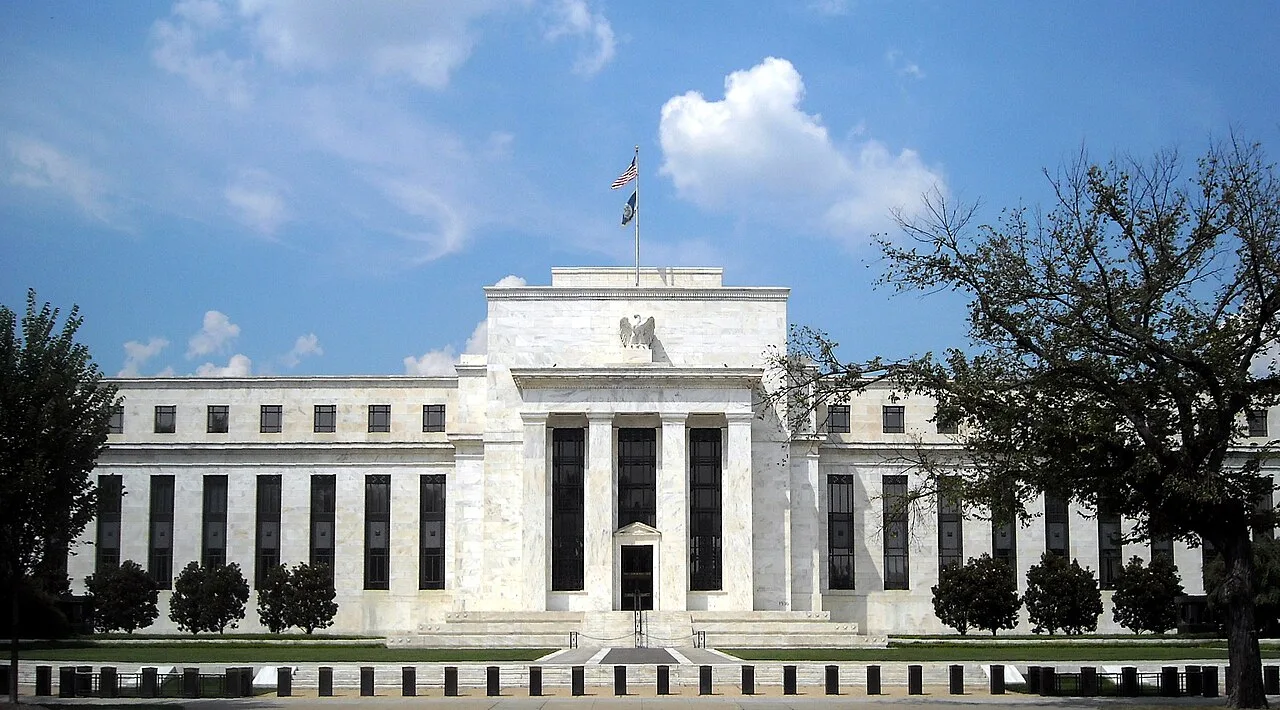
The core PPI, which disregards volatile food and energy prices, also saw a considerable increase, rising 0.7% from August and 5% compared to the previous year. This persistent inflation may lead the Federal Reserve to contemplate earlier interest rate hikes during its upcoming meeting.
Such a move could intensify financial pressure on consumers, who are already dealing with high rates for borrowing. The average interest rate for a 30-year fixed mortgage recently rose to 7.45%, adding to household expenses.
Market activities reflected this concern, with investors shifting funds away from technology stocks, which tend to be more sensitive to interest rates. The tech sector is heavily reliant on borrowed funds to support vast investments in global data centers.
Filed under Business